


April 22, 2024

Peak demand for winter tires hits between October and January, when the first snowfall reminds everyone that summer tires and regular tires won’t cut it on icy roads. During these winter months, tire shops are packed, selection thins quickly, and prices reflect that urgency. By contrast, from late winter through early spring—roughly March to June—retailers are eager to clear remaining inventory before new summer tires and all season tires arrive. This creates the off season window that budget-conscious Canadians can exploit.
Yes, buying winter tires in spring can save you a substantial amount of money, especially if you live in Canadian cities like Calgary, Edmonton, Toronto, or the Vancouver suburbs. The logic is straightforward: seasonal demand drives pricing, and when demand drops, so do prices.
Realistic savings range from 15% to 30% compared to November prices, depending on the tire size and brand. For example, a set of four snow tires that costs $1,100 including tax and basic installation in November might drop to $850 or lower by April during clearance sales. That $250 difference adds up when you consider that winter tires provide 3–5 seasons of use. Canadian drivers who plan ahead—similar to how they might schedule a free vehicle appraisal with Purr before listing their car—are rewarded with lower costs, less stress, and more options.
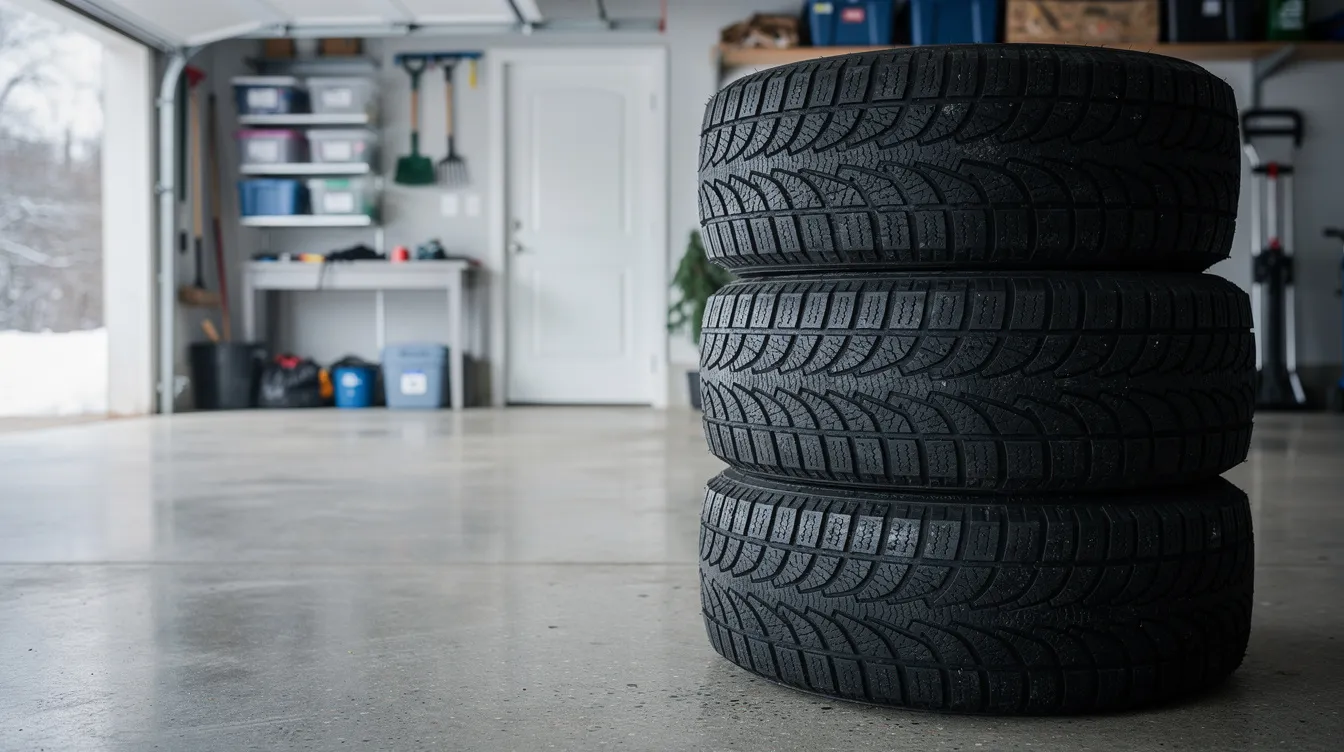
Understanding how tire shops and big box retailers manage inventory helps explain why spring pricing is so attractive for Canadian buyers.
After the busy November–January rush, retailers find themselves with leftover winter tire stock. Warehouses need to rotate this inventory out before new model-year shipments arrive. This pressure to vacate space drives aggressive discounting from February onward, with the deepest cuts typically appearing in March through May.
During this window, Canadian stores run “end of season” or “manager’s special” discounts on winter tires in common sizes like 205/55R16 (popular on Honda Civic and Toyota Corolla) and 225/65R17 (common on Toyota RAV4 and similar crossovers). If you drive a popular vehicle, selection remains strong in early spring. However, by June, inventory shifts heavily toward summer tires and all-weather options, leaving only niche winter tire sizes—sometimes at excellent 30–40% discounts, but with limited choice.
Online Canadian retailers also adjust tire pricing downward in spring. Because you won’t need to install winter tires for another six to eight months, shipping delays matter less. You can wait for the best deal without scrambling before the first snowfall.
The tire market follows predictable seasonal demand cycles, much like the used-car market that Purr monitors closely. Savvy consumers who understand these patterns can time their purchases for maximum value.
These are ballpark Canadian price ranges for a full set of four winter tires in 2025–2026, illustrating what timing can do for your wallet.
| Vehicle Type | Peak Season (Nov–Jan) | Spring Clearance (Mar–May) | Potential Savings |
|---|---|---|---|
| Compact cars (Honda Civic, Mazda3) | $700–$1,100 | $550–$900 | $150–$200 |
| Small SUVs/Crossovers (RAV4, Tucson) | $900–$1,400 | $700–$1,150 | $200–$250 |
| Trucks/Large SUVs (F-150, Silverado) | $1,100–$1,600 | $900–$1,200 | $200–$400 |
These ranges reflect mid-range to high quality winter tires. Premium brands and performance winter tires designed for performance vehicles may sit at the higher end, while budget options fall lower.
Always factor in the overall cost of installation, balancing, and potential TPMS (Tire Pressure Monitoring System) programming. In Canadian metro areas like Toronto or Vancouver, expect to pay $120–$250 total for these services. Some retailers bundle installation into spring promotions, which can further significantly reduce your out-of-pocket expense.
The smart savings you capture on spring tire deals can go toward other vehicle expenses—or help top up your budget if you’re planning to sell or buy a car through a service like Purr.
Not all “spring” weeks are created equal when it comes to winter tire deals. Here’s when Canadian buyers should pay closest attention.
Late March to Late April emerges as the prime clearance period nationwide. In southern Ontario and BC’s lower mainland, winter ends earliest, allowing retailers to push deep clearances while inventory depth persists for popular tire size options.
Late April to May works best in colder regions like Edmonton, Calgary, Northern Ontario, and interior BC. Here, lingering snow and cold temperatures delay the full seasonal switchover, meaning discounts peak slightly later.
June offers sporadic “manager’s specials” and final clearance opportunities, but you risk stockouts on common sizes. If you need a specific tire size or prefer premium tires, waiting until June may leave you empty-handed.
To catch the best deals, subscribe to local shop email lists in March. When those “winter clearance” flyers land, you can pounce immediately—similar to how Purr clients watch market timing to list or buy vehicles strategically.

Buying six to eight months before mounting is completely fine if you store tires correctly. Rubber aging accelerates through oxidation, UV exposure, ozone, heat, and humidity, but proper conditions halt this process almost entirely.
Home storage guidelines for Canadian homes:
For condo dwellers in cities like Vancouver or Toronto without adequate storage space, many Canadian tire shops and dealerships offer seasonal storage for a fee, typically $80–$150 per season. This service handles proper maintenance and keeps your tires in optimal condition.
When purchasing winter tires early during spring clearances, always check the DOT date code on the sidewall. This code tells you when the tire was manufactured. Look for tires less than three years old at purchase. The code format is straightforward: “DOT XXXX 0325” would indicate the tire was made in the 3rd week of 2025.
Tire manufacturers and the tire and rubber association recommend replacing winter tires around the 6–7 year mark regardless of tread depth, so buying something already 4+ years old leaves less usable tread life.
Smart planning—timing, comparison shopping, and thinking a season or two ahead—can stack savings beyond the basic clearance discount.
Compare quotes from multiple sources. Get pricing from at least three Canadian retailers: local tire shops, warehouse clubs like Costco, and online sellers. Make sure you’re comparing the total cost including installation, balancing, and taxes, not just the sticker price per tire.
Hunt for manufacturer rebates. Many tire manufacturers offer rebates that overlap with spring clearances, typically $50–$100 prepaid cards from major brands. These promotions are common from March through May and can be combined with retailer discounts. The rubber association and tire manufacturers often publicize these deals through retailer partners.
Consider dedicated winter rims. Investing in a separate set of rims for your winter tires reduces mounting and balancing fees each season. Over 4–5 years, this investment often pays for itself in Canada, where bi-annual tire swaps are standard.
Pair with an alignment check. If your vehicle has hit potholes during winter—common on Canadian roads—get an alignment check when you purchase your new tires. Proper alignment prevents uneven tire wear and extends tread life.
Think about fuel efficiency. New winter tires with proper tread patterns and tread depth can improve fuel efficiency compared to worn tires, especially in snowy conditions and on winter roads.
Planning ahead for winter tires mirrors the same thoughtful approach Canadian drivers take when buying or selling vehicles with Purr. A bit of timing and preparation helps everything land on its feet.

Many Canadians hesitate to purchase winter tires so far ahead of the winter season. Here are the most common worries—and why they shouldn’t stop you.
“Won’t the tires be ‘old’ if I buy them in April?”
New tires on the rack in March or April are often from the same production run as those sold in October. The specialized rubber compounds used in winter tires are designed to remain pliable in cold weather—specifically below 7°C (45°F)—and don’t degrade sitting in controlled storage. Tires under three years from manufacture are considered “fresh” by industry experts, including guidance from the tire and rubber association.
“Will performance suffer from storing them all summer?”
Performance does not degrade noticeably over a single spring-summer storage period when tires are stored properly. The enhanced traction and better grip you expect from winter tires in severe winter conditions will be there when November arrives.
“What about the warranty?”
Warranties typically begin at purchase, not at mounting. For most Canadian drivers, the benefit of a lower price outweighs the few months of “unused” warranty time. The long term savings more than compensate.
“I might sell my vehicle before winter.”
If you’re planning to sell, a new set of winter tires can actually add resale appeal or trade-in value. This is especially true when dealing with a transparent buyer like Purr, where quality accessories and seasonal readiness are valued.
“What if I’m switching vehicles soon?”
If you expect to change cars before the winter approaches, you might want to hold off or consider a tire size that also fits your likely next vehicle. If you’ve already bought a set and decide to sell the car, you can include the unused tires to sweeten the deal or sell them separately.
Yes, as long as the tires are new or recently manufactured and stored correctly, there is no safety disadvantage to buying in April and installing in November. Rubber aging is slow under cool, dark, dry conditions—one additional off season in storage is negligible in the overall life of a winter tire. The tires will provide the same better traction and better handling in harsh winter conditions, deep snow, and icy conditions as tires purchased in the fall.
Check the DOT date code on the tire sidewall before purchasing. Look for tires less than three years old at the time of purchase for optimal safety and remaining tread life. Canadian safety experts recommend replacing winter tires around the 6–7 year mark or when tread depth drops below 4/32”, regardless of visual appearance. Buying tires already 4+ years old significantly reduces their usable lifespan, even if the price is attractive.
Both seasons can offer savings, but they serve different priorities. Spring clearance sales often feature the deepest discounts as retailers offer discounts to clear old stock, making it ideal for budget-focused drivers. Late summer (August–September) typically has the best selection of new models and is better for drivers needing a very specific tire size, studded winter tires with small metal studs for extreme conditions, or performance winter tires for performance vehicles. If your primary goal is to save money, early spring wins.
If you expect to change cars soon, consider waiting until you know the exact tire size of your next vehicle. Purchasing winter tires early only makes sense if you’re confident about your vehicle plans. If you’ve already bought a set and then decide to sell, you can include the unused tires to sweeten the deal for buyers, or sell them separately. Online platforms and services like Purr can help you value both your car and any extras when preparing to sell.
True 3PMSF (Three-Peak Mountain Snowflake) all-weather tires can be a good compromise in milder Canadian coastal regions where light snow and moderate cold weather are the norm year round. However, dedicated winter tires still offer superior performance in deep cold and heavy snow thanks to their specialized rubber compounds that remain pliable below 7°C. If you drive in harsher climates—the Prairies, Northern Ontario, interior BC, or anywhere with severe winter conditions—dedicated winter tires remain the recommendation for optimal safety and control compared to all season tires or all season options. The driving conditions in these regions demand the enhanced traction that only proper winter tires provide.


