


April 22, 2024

With the average new car in Canada costing $64,564, many Canadian buyers are exploring opportunities beyond their provincial borders. Whether you’re seeking a better deal, a specific model, or expanded inventory options, buying a car out of province can offer significant advantages. However, this process involves navigating complex interprovincial regulations, understanding tax implications, and managing additional logistics that don’t exist with local purchases.
The reality is that while surface-level savings might appear attractive, thorough research and careful planning are essential to ensure your out-of-province purchase truly delivers value. From understanding provincial regulations to arranging transportation and completing registration requirements, every step requires attention to detail.
This comprehensive guide will walk you through the essential tips every Canadian buyer should follow when purchasing a vehicle outside their home province, helping you avoid costly mistakes and ensure a smooth transaction from start to finish.
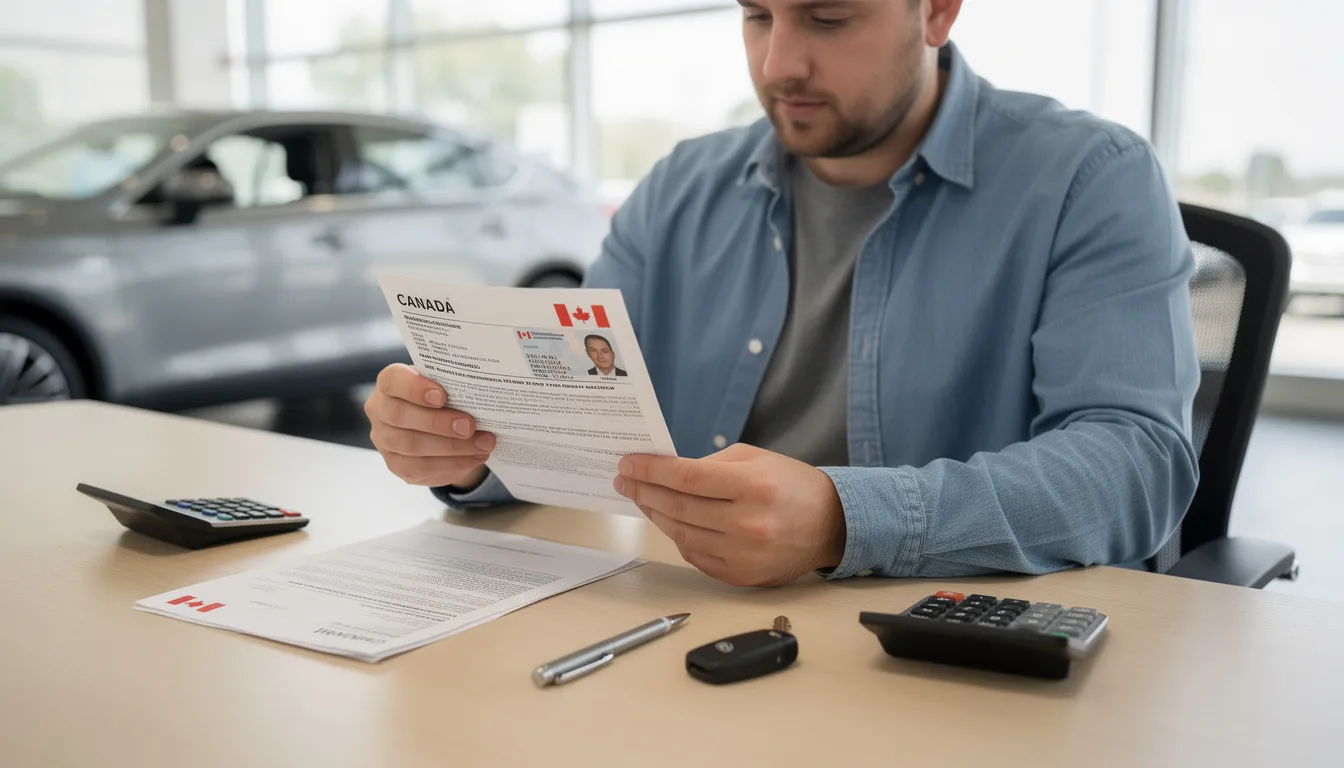
Before diving into an out-of-province purchase, understanding the financial reality is crucial. Most provinces require you to pay sales tax based on your home province’s rates, not where you buy the vehicle. This means you’ll typically pay the full 13% HST in Ontario or the combined GST and provincial sales tax in other provinces, regardless of where you complete the purchase.
Budget for comprehensive costs beyond the purchase price:
Allow adequate time for the complete process. Registration timelines vary significantly across Canada. Ontario requires registration within 30 days of establishing residency, while New Brunswick allows up to 6 months. Alberta provides a 90-day grace period, giving you more flexibility to complete the necessary steps.
Secure financing and insurance quotes from your home province before traveling. Many dealerships in other provinces may not work with out-of-province financing, and insurance requirements can vary. Contact your insurance company to understand temporary coverage options and ensure you can legally drive the vehicle home.
Verify the vehicle’s lien status through provincial databases. This critical step protects you from purchasing a used car with outstanding debts that could become your responsibility. Each province maintains databases where you can search using the vehicle identification number to confirm clear ownership.
Obtain a comprehensive vehicle history report before making any commitment. A CARFAX Canada report ($39.99) provides essential information about past accidents, flood damage, previous province registrations, and potential issues that might affect the vehicle’s value or safety.
Your search strategy should balance inventory access with practical logistics. Start with major online platforms like AutoTrader.ca, Kijiji Autos, and Cars.com to compare available inventory across provinces. These platforms allow you to filter by location, helping you identify the best opportunities within a reasonable distance.
Focus your search within 1000 kilometers of your location to minimize shipping costs and enable personal inspection if desired. A vehicle in a neighboring province might offer the same benefits as one across the country while requiring significantly less investment in transportation and logistics.
Use Canadian Black Book values as your pricing baseline to ensure you’re getting fair market value. Compare similar vehicles across multiple provinces to identify genuine deals versus market-rate pricing. Remember that apparent savings may disappear when you factor in all associated costs.
Contact multiple dealerships and private sellers to negotiate better terms. Many dealerships are willing to arrange shipping or provide detailed documentation to facilitate out-of-province sales. Private sellers may be more flexible on pricing, especially if you can demonstrate serious intent and proper preparation.
Request comprehensive photo documentation including exterior shots from all angles, interior condition, engine bay, and undercarriage views. This visual inspection helps you assess the vehicle’s condition before committing time and money to travel or professional inspection services.
The vehicle history and condition assessment becomes even more critical when you can’t physically inspect the car before purchase. A thorough vehicle history report using CARFAX Canada reveals crucial information about accident history, flood damage, and previous registrations across provinces.
Verify the vehicle identification number (VIN) matches all documentation and shows no signs of alteration. The VIN should be clearly visible on the dashboard, driver’s door jamb, and engine bay. Any discrepancies or signs of tampering are serious red flags that warrant immediate investigation.
Arrange a pre-purchase inspection with certified mechanics in the selling province, typically costing $150-250. This professional assessment covers engine performance, brake systems, suspension components, and overall mechanical condition. A qualified mechanic can identify potential issues that might require expensive repairs after purchase.
Check for open recalls through Transport Canada’s database using the VIN. Outstanding recalls might need to be addressed before the vehicle can pass inspection in your home province. Some recalls require specific parts or procedures that might be more readily available in certain provinces.
Review maintenance records carefully to ensure regular service intervals have been followed. Look for evidence of routine oil changes, tire rotations, and major service milestones. Well-maintained vehicles are more likely to pass inspection and provide reliable service after purchase.
Provincial regulations vary significantly across Canada, making research essential before committing to any purchase. Each province maintains its own safety standards, emissions requirements, and registration procedures that your vehicle must meet regardless of where you bought it.
Understand that most provinces require you to pay sales tax upon registration, not at purchase. This means you’ll pay your home province’s retail sales tax rate when registering the vehicle, regardless of the tax rate in the selling province. Only in rare cases involving dealer purchases might you pay tax at the point of sale.
Research inspection requirements for both provinces involved in your transaction. Some provinces like British Columbia have specific AirCare emissions programs, while Ontario requires emissions testing for vehicles over seven years old. Understanding these requirements helps you budget for compliance costs.
Verify registration timelines to avoid penalties. Most provinces require registration within 30-90 days of establishing residency or bringing a vehicle into the province. Missing these deadlines can result in fines and complications with insurance coverage.
Understand insurance requirements as some provinces mandate specific coverage levels or require insurance through provincial providers. Quebec, for example, requires insurance through a Quebec-based company, which affects your temporary coverage planning.
Each province has developed its own registration process with specific documentation and testing requirements:
Ontario requires a Safety Standards Certificate, emissions testing for vehicles over seven years old, proof of Ontario residency through a driver’s license, and valid insurance meeting provincial minimums.
British Columbia mandates a provincial inspection, ICBC insurance, and requires new residents to obtain a BC driver’s license within 30 days of establishing residency.
Alberta requires an out-of-province inspection, Alberta insurance, and allows 90 days from establishing residency to complete registration.
Quebec has unique requirements including SAAQ inspection, Quebec insurance, and some transactions may require French documentation depending on the specific circumstances.
Maritime provinces generally require safety inspection certificates and provincial insurance, with registration timelines ranging from 90 days to 6 months depending on the specific province.

The purchase process for an out-of-province vehicle requires extra attention to documentation and payment security. Unlike local purchases where you might have recourse through familiar legal systems, interprovincial transactions demand more careful preparation.
Negotiate the final price including all fees. Many dealerships charge documentation fees, preparation costs, and other charges that can add hundreds of dollars to the advertised price. Get a written quote that includes all costs before finalizing the agreement.
Secure a detailed Bill of Sale with complete information. This document must include the vehicle identification number, accurate mileage reading, final purchase price, transaction date, and complete information for both buyer and seller including names, addresses, and signatures.
Obtain the vehicle ownership or title certificate properly executed. The seller must sign and date the transfer section correctly. Any errors or omissions can delay registration in your home province and create legal complications.
Use secure payment methods such as certified checks, bank drafts, or wire transfers. Avoid cash transactions for large amounts, and ensure your payment method provides documentation for the transaction. Some financial institutions offer specific services for out-of-province vehicle purchases.
Purchase necessary permits for legal transport. If you plan to drive the vehicle home, you’ll need temporary transit permits from the selling province. These typically cost $15-50 and provide legal authorization to operate the vehicle during your journey home.
Verify all liens are properly discharged and obtain documentation proving clear title. If the seller has financing through a bank or credit union, ensure the loan is paid off and the lien release is properly documented before taking possession.
Transportation decisions significantly impact your total cost and timeline. You have two primary options: driving the vehicle yourself or arranging professional auto transport services.
Compare costs and convenience between driving and shipping. Driving yourself saves $500-1500 in shipping costs but requires time off work, temporary permits, fuel, and potentially accommodation expenses. Professional shipping provides convenience but adds significant cost to your purchase.
Get quotes from multiple auto transport companies with typical costs ranging $1.00-1.50 per kilometer. Rates vary based on distance, vehicle type, seasonal demand, and specific pickup and delivery locations. Remote areas often incur additional fees.
Choose between open and enclosed transport based on your vehicle’s value and your risk tolerance. Standard vehicles typically ship via open carriers, while luxury, classic, or high-value vehicles may warrant enclosed transport for additional protection against weather and road debris.
Verify the shipping company’s insurance coverage and understand their claims procedures for potential damage during transport. Reputable companies carry comprehensive insurance, but you should understand the coverage limits and claim process before signing contracts.
Plan for shipping timelines of 5-14 business days depending on distance and carrier availability. Seasonal factors, weather conditions, and route popularity can affect delivery schedules. Build buffer time into your planning to avoid disrupting your transportation needs.
If you choose to drive the vehicle home yourself, several additional considerations apply to ensure legal compliance and safety.
Obtain temporary transit permits before attempting to drive the vehicle across provincial boundaries. These permits typically cost $15-50 and provide legal authorization for a specific time period, usually 10 days.
Arrange temporary insurance coverage through your existing provider to cover the vehicle during your journey home. Most insurers can add temporary coverage for new purchases, but this requires advance planning and confirmation before you take possession.
Plan your route carefully including fuel stops, meal breaks, and overnight accommodation if the distance requires multiple days of travel. Consider factors like weather conditions, road construction, and your own driving stamina.
Ensure current safety certification if required for interprovincial travel. Some provinces require recent safety inspections for vehicles crossing their borders, particularly for older or commercial vehicles.
Carry complete documentation during transport including the bill of sale, temporary permits, insurance proof, and your driver’s license. Border crossings between provinces don’t typically involve inspections, but having proper documentation protects you if questions arise.
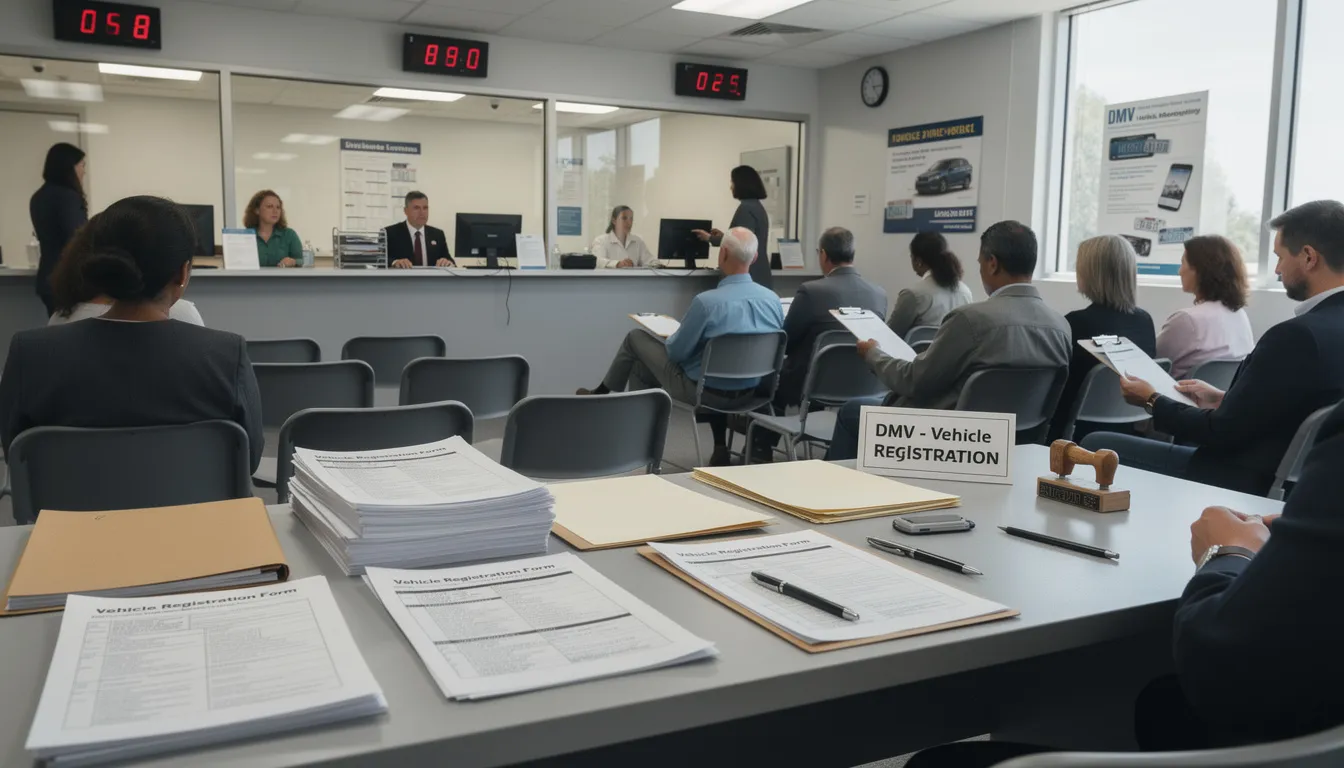
Once your vehicle arrives in your home province, the registration process begins with specific deadlines and requirements that vary by location.
Visit your provincial motor vehicle registry office within the required timeframe, typically 30-90 days depending on your province. Bring all necessary documentation to avoid delays and potential return visits.
Complete the vehicle registration application and pay applicable fees ranging from $75-200 in most provinces. These fees cover license plates, registration certificates, and administrative processing.
Submit to required inspections costing $75-150 in most provinces. Safety inspections verify that the vehicle meets provincial standards for brakes, lights, steering, suspension, and other critical components. Some provinces also require emissions testing for environmental compliance.
Pay applicable taxes based on the purchase price or wholesale value as determined by resources like Canadian Red Book. The tax calculation uses either your actual purchase price or the book value, whichever is higher, to prevent tax avoidance through artificially low sale prices.
Obtain new license plates and registration documents before operating the vehicle on public roads in your province. Temporary permits expire on specific dates, and driving without proper registration can result in fines and insurance complications.
Successful registration requires complete and accurate documentation:
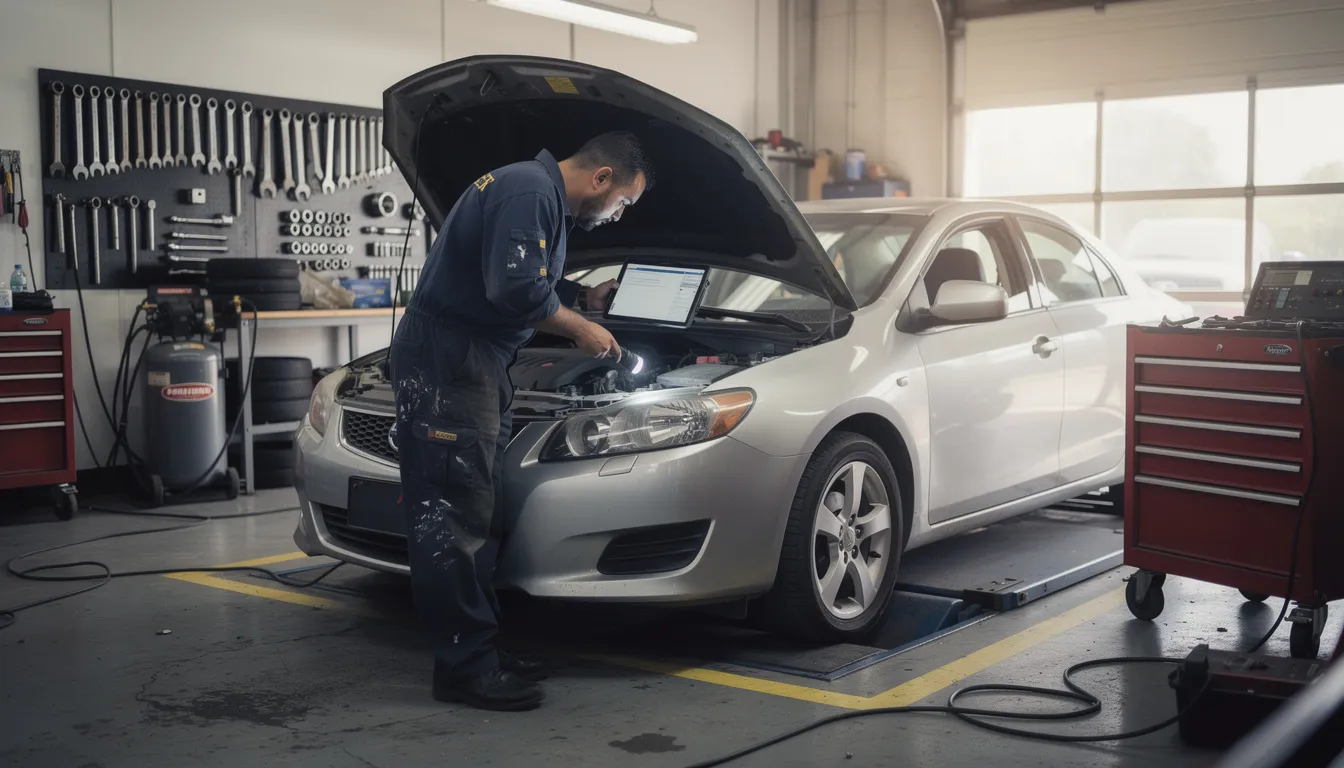
Even well-planned out-of-province purchases can encounter unexpected challenges. Understanding common issues and their solutions helps you prepare for potential complications.
Failed provincial inspections represent one of the most common and expensive surprises. Budget an additional $200-800 for repairs and re-inspection fees. Common failure points include brake wear, tire condition, exhaust system issues, and lighting problems.
Missing or incomplete documentation can delay registration for weeks. If documents are lost or damaged during shipping, contact the selling province’s motor vehicle department immediately. Most provinces can provide replacement documents for a fee, but processing takes time.
Shipping delays due to weather, mechanical issues, or scheduling conflicts can disrupt your plans. Build 2-3 weeks of buffer time before you absolutely need the vehicle operational. Consider rental car costs if delays affect your transportation needs.
Insurance complications may arise if your current provider doesn’t cover out-of-province purchases or if provincial requirements differ from your existing coverage. Work with insurance brokers experienced in interprovincial transfers to navigate these challenges.
Hidden costs and fees can surprise buyers who focus only on the purchase price. Research all potential charges including environmental levies, registration processing fees, and administrative costs that may not be disclosed until registration.
Vehicle warranties and service networks require special attention for out-of-province purchases, particularly for new vehicles or those with remaining manufacturer coverage.
Verify that manufacturer warranties transfer to your province and research authorized service centers in your area. Some warranties have geographic restrictions or require specific documentation for out-of-province transfers.
Understand extended warranty limitations which may vary between provinces or require separate transfer procedures. Third-party warranties may have different terms than manufacturer warranties and might not be honored by service centers in your province.
Research parts availability and service costs in your area, particularly for imported, luxury, or rare vehicles. Some models have limited service networks or require specialized tools that might not be available locally.
Register for manufacturer recalls and service bulletins using your current contact information and address. This ensures you receive important safety notices and can access recall repairs at authorized service centers.
Maintain complete documentation of the purchase, transfer, and registration process for warranty claims and future resale. Detailed records demonstrate proper ownership transfer and can support warranty claims if issues arise.
Successful out-of-province vehicle purchases require realistic budgeting, adequate time planning, and attention to detail throughout the process.
Budget 15-25% above the purchase price for taxes, fees, transportation, and unexpected costs. This buffer helps prevent financial stress if complications arise or additional repairs become necessary.
Allow 4-8 weeks for the complete process from initial purchase to legal operation in your province. Rushing the process increases the likelihood of mistakes and may result in additional costs or delays.
Work with reputable dealers or use escrow services for private sales to protect your investment. Reputable businesses have experience with interprovincial sales and can provide guidance throughout the process.
Consider hiring professional vehicle inspectors for high-value purchases over $25,000. Professional inspections provide detailed assessments that can identify expensive issues before you commit to the purchase.
Keep detailed records of all transactions, inspections, and registrations for future reference and resale value. Complete documentation demonstrates proper maintenance and legal compliance, which supports the vehicle’s value when you eventually sell or trade it.
The key to successful buying a car out of province lies in thorough preparation, realistic cost planning, and understanding that the process involves significantly more complexity than local purchases. When done correctly, however, out-of-province buying can provide access to better inventory, potential cost savings, and the satisfaction of finding exactly the right vehicle for your needs.
By following these comprehensive tips and maintaining realistic expectations about costs and timelines, Canadian buyers can navigate the interprovincial vehicle purchase process successfully while avoiding common pitfalls that can turn a good deal into an expensive mistake.


