


April 22, 2024

Spring marks a turning point in the Canadian used car market. Between March and June, dealerships fill with fresh trade ins and lease returns, but demand rises just as fast—often faster. Understanding why both inventory and prices shift this time of year can help you make an informed decision and find the best deal on your next used car.
Yes, but with caveats. April through June brings the biggest jump in used vehicle selection across Canada, giving you more options than any other season. However, it also brings one of the sharpest increases in used car prices due to heightened market demand.
The sweet spot for many Canadian buyers falls between late March and mid-April—just before peak May–June competition drives car prices higher. During this window, fresh trade ins hit lots while fewer buyers are actively shopping compared to the tax refund rush that follows.
Buyers who shop strategically can still save money in spring by:
Purr’s online tools and calm, no-pressure approach help keep your spring search purring along smoothly, even when the vehicle market heats up.
The Canadian used car market follows a predictable seasonal pattern, and spring represents one of the most dramatic shifts. Several factors converge to reshape both supply and demand between March and June.
Warmer weather across provinces like Ontario, Alberta, and British Columbia draws more people onto dealer lots and into online marketplaces. After months of navigating icy roads and bundling up for outdoor errands, Canadians become more willing to spend time car shopping when temperatures rise.
Longer daylight hours and dry roads make test drives easier and more appealing than in January or February. You can actually see the vehicle clearly and assess handling on normal pavement rather than packed snow.
Spring also aligns with life changes that trigger car buying decisions:
Many dealerships and online retailers plan spring marketing pushes months ahead, which amplifies visible activity and creates a busier atmosphere for everyone involved.
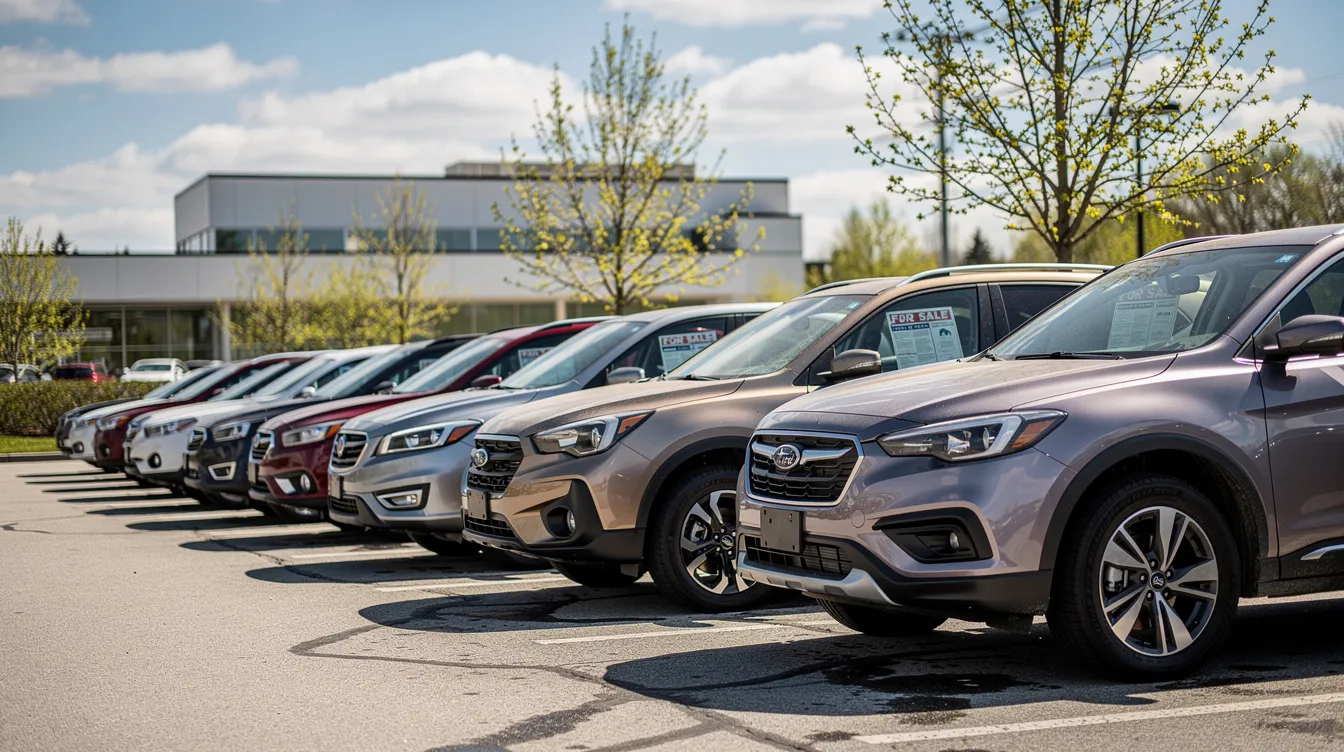
One of the biggest advantages of spring car shopping is the surge in available used vehicles. Understanding where this inventory originates helps you target the freshest stock.
Lease returns: Many 3–4 year leases expire between February and April. This feeds dealer lots with 2021–2022 model year vehicles carrying low-to-mid mileage (often under 70,000 km). Popular car models like the Toyota RAV4, Honda CR-V, and Ford F-150 show up in greater numbers during this period.
Trade ins from new car buyers: People who purchased new vehicles at fall auto shows or during year end promotions often receive delivery in March through May. When their new models arrive, they trade in older vehicles, adding pre owned stock to dealer inventories.
Post-winter private sales: Snow tire season ends in cities like Calgary, Edmonton, and Ottawa around April. Some owners decide to sell once winter is over rather than face another season, boosting listings on platforms like AutoTrader.ca and Kijiji.
Fleet rotations: Corporate and rental fleets (Hertz, Enterprise, and others) typically rotate vehicles after winter. These releases add batches of well-maintained units with documented service histories to the used car market.
Spring 2026 data shows inventory remaining tight overall—roughly 37 days’ supply nationally—but the seasonal influx still provides more selection than winter months.
More inventory does not automatically mean lower prices. When increased demand outpaces supply, car prices climb regardless of how many vehicles are available.
Tax refund season: Canadian tax returns are due April 30, and refunds averaging $1,800–$2,500 CAD start hitting bank accounts in March. Many families in Toronto, Vancouver, and Montreal use this cash as down payments for used SUVs, minivans, and compact cars.
Road trip planning: As May long weekend and summer vacations approach, demand for fuel efficient vehicles and crossovers spikes. Buyers want something reliable for family travel, pushing up prices on popular segments.
Reduced negotiation leverage: When more buyers compete for the same vehicles, sellers have less motivation to offer discounts. Multiple interested parties on a single listing means the price stays firm or even rises.
Seasonal niche vehicles: Sports cars with rear-wheel drive see sharper price jumps (sometimes 5–10% premiums) as they come back into usable season. If you’re targeting something fun rather than practical, expect higher prices in April than in January.
The result is a market where selection improves but bargains become harder to find without a strategic approach.
You can benefit from spring’s expanded selection without paying peak-season premiums. Here’s how to approach your used car purchase strategically:
| Strategy | Why It Works |
|---|---|
| Shop late March to mid-April | Catches fresh trade ins before May–June peak competition |
| Target older inventory | Vehicles sitting since winter have more room for negotiation |
| Stay flexible on colour and trim | Unlocks better prices when the market is busy |
| Compare prices across platforms | Toronto vs. Halifax pricing can differ 5–10% on identical models |
| Get a free appraisal for your trade-in | Establishes your real budget before negotiating |
Quarter car dealerships often have sales targets to hit by end of March, creating opportunities if you time your visit right. Sales quotas can motivate dealers to offer deals they wouldn’t consider mid-quarter.
Cross-platform comparison is essential. Check local dealers, national online retailers, and marketplace listings. A CR-V priced at $24,000 in Vancouver might list for $22,000 in Halifax—worth the research if you’re willing to travel or arrange transport.
Purr’s free appraisal tool helps you understand what your current vehicle is worth, turning a potential trade-in into a clear budget before you start negotiating on your next purchase.

No single season is universally “best” for a used car purchase. Spring offers a unique mix of selection and cost, but other periods have their own advantages.
Winter (January–February)
Late Fall (October–November)
Summer (July–August)
Early fall (September)
Buyers prioritizing choice and newer model years often favour spring. Pure bargain hunters may lean toward late fall or mid-winter when lower demand gives them leverage.
Spring weather makes inspections easier in some ways but hides certain issues. Stay vigilant during your evaluation process.
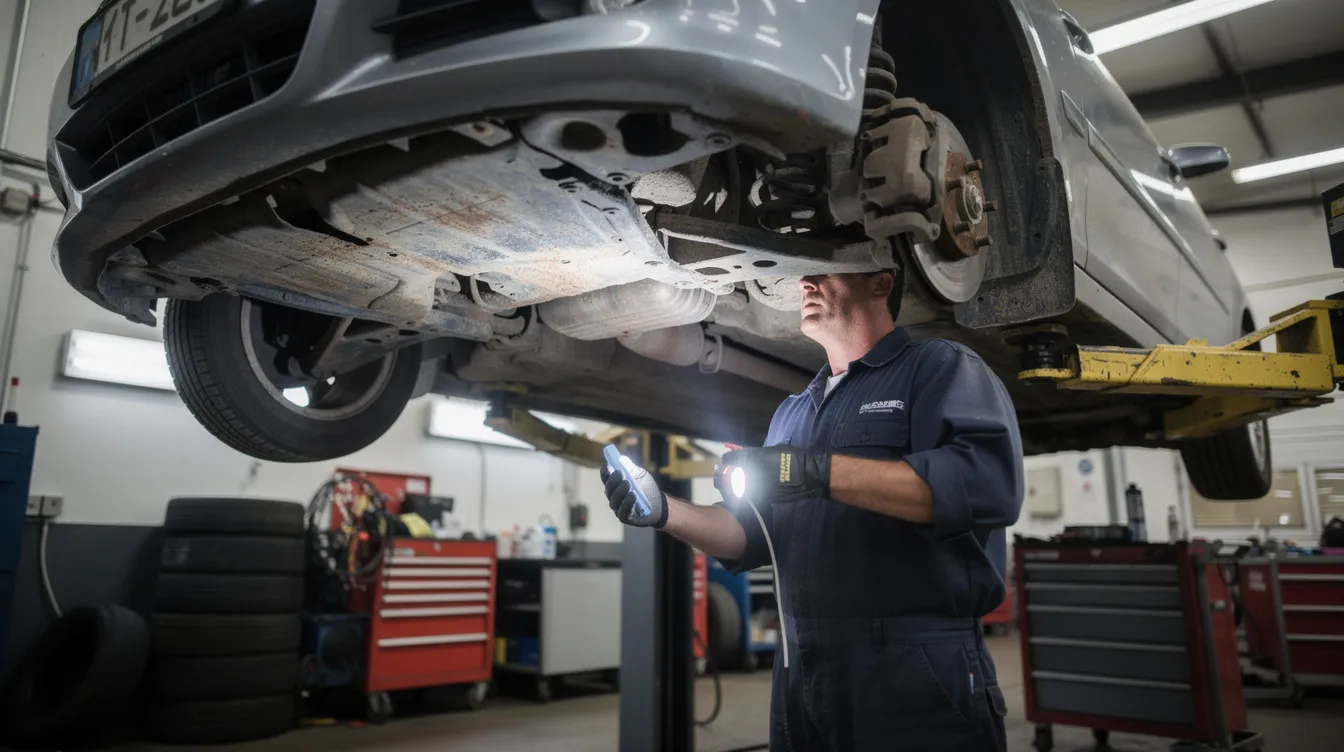
Check for hidden rust: Melting snow reveals some corrosion, but spring rain can still conceal rust in wheel wells and frame sections. Canadian winters mean salt exposure, and that damage doesn’t disappear when temperatures rise. Look carefully underneath the vehicle.
Schedule multiple test drives: If possible, drive on both dry and wet days. This helps you assess:
Verify tire status: Confirm whether the vehicle includes winter tires as a second set. Check remaining tread depth on all tires (minimum 4/32” for safety). This affects your total cost of ownership.
Get a professional inspection: A pre-purchase inspection catches winter-related wear common in Canadian climates:
Request a vehicle history report: Services like Carfax Canada reveal accident history, service records, and previous ownership. Any reputable seller should be comfortable with you obtaining independent verification.
Purr’s transparent, inspection-focused approach means vehicles come with documented histories and clear condition reporting—no surprises after you buy.
Purr is a Canadian-based, customer-first platform designed to simplify spring used car shopping without the typical dealership pressure.
Browse inspected inventory: The Purr buy page lets you filter vehicles by budget, body style, and province. Whether you’re in B.C. looking for a compact SUV or in Ontario searching for a sedan, you can narrow options quickly.
Understand your trade-in value: Use Purr’s free appraisal tool to get a transparent CAD valuation on your current vehicle. This turns your trade-in into a clear budget for your spring purchase.
Sell or list directly: If you’re selling, the Purr sell page lets you list or sell directly to Purr. This adds more local inventory for other Canadian buyers each spring, keeping the market moving.
Low-pressure experience: Clear pricing, transparent vehicle histories, and a process designed to feel as smooth and quiet as a well-tuned engine at idle. No aggressive sales tactics, no hidden fees.
Whether you’re ready to find deals now or simply comparing options for later in the year, Purr.ca helps you approach the busy spring season with confidence. Start your search today and discover how straightforward buying your next used car in Canada can be.


