Coming Out of Hibernation: Prepping a Stored Car for Spring in Canada
Last update: March 19, 2026 By: Purr
Share:
After months of sitting parked since November 2025, your car is ready for its first spring drive—but are you ready to wake it up properly? Canadian winters are brutal on stored vehicles, and a methodical approach to reactivation can mean the difference between a smooth first ride and an expensive repair bill. This guide walks you through a step-by-step process to bring your hibernating vehicle back to life safely.
Key Takeaways
Never start the engine immediately after winter storage; a detailed visual inspection comes first to catch rodent damage, fluid leaks, and corrosion before turning the key
Check fluids, belts, and hoses for cold-weather degradation, as even vehicles that were fine last fall can develop issues after months of sitting in an unheated garage
Inspect tires for flat spots and cracking, then verify battery health with a multimeter before attempting to crank
The first drive should be a short, slow neighbourhood loop to test brakes, steering, and transmission—not a highway blast
If your spring inspection reveals major issues or you’re reconsidering ownership, Purr offers a free appraisal to help you understand your options in the Canadian market
Why Spring Wake-Up Matters After Winter Storage
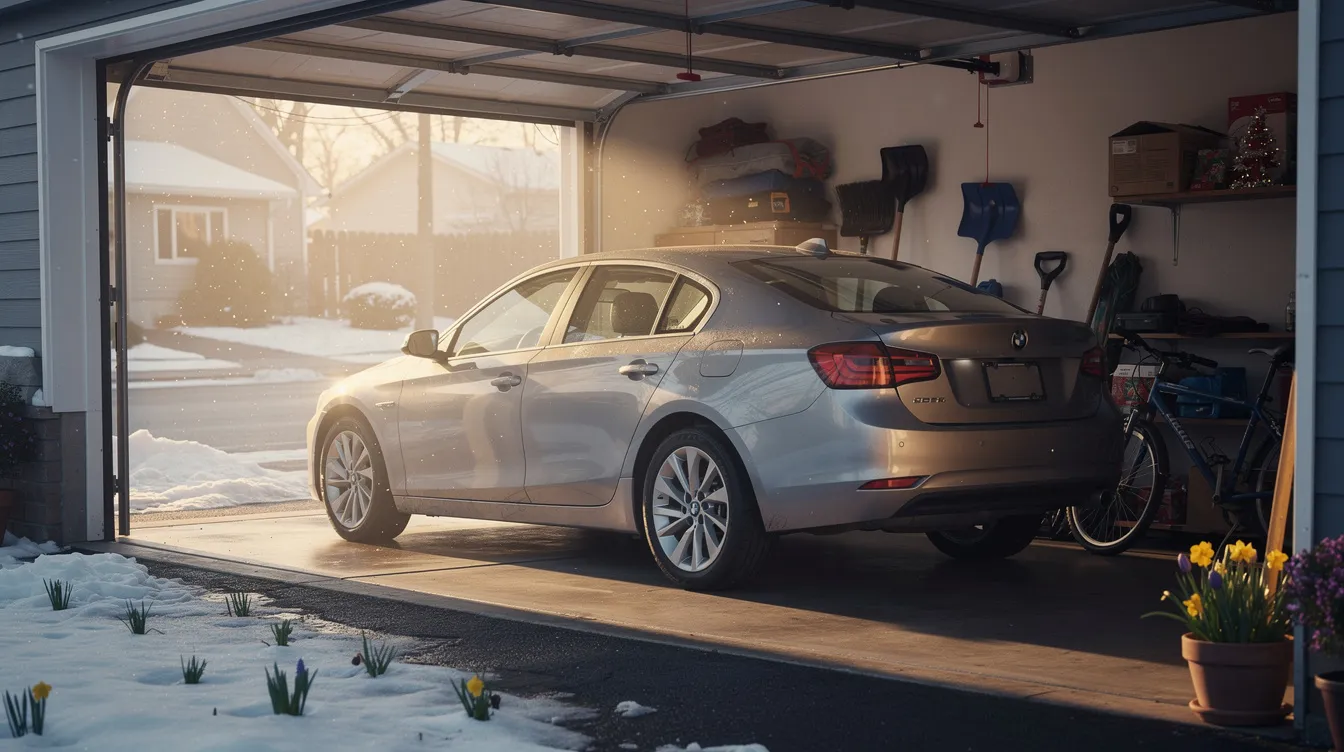
Many Canadian cars sit parked from about November through late March or early April, thanks to snow, road salt, and seasonal insurance savings. That extended hibernation period creates real consequences for your vehicle.
Long sitting leads to flat spots on tires (often developing after just 2-4 weeks of inactivity)
Stale fuel degrades and attracts moisture, especially with ethanol-blended gas
Batteries self-discharge faster in cold temperatures, with failure rates hitting 40-50% after 4-5 months
Surface rust forms on brake rotors, and seals can dry out without regular lubrication
Rodents find warm storage spaces inviting for nesting
Responsible owners treat spring start-up as a checklist, not a spontaneous spin. Think of it like a cat stretching after a long nap—your car needs to ease back into action before it can purr properly again.
Initial Walk-Around: Inspect Before You Touch the Key
The first step is a detailed visual inspection with the engine off, ideally in daylight and on a dry, flat concrete surface.
Check for rodent activity:
Look for nests under hood liners and around the engine bay
Inspect wires and vacuum hoses for gnaw marks (soy-based insulation attracts mice)
Check for droppings around tires and in the cabin
Look for shredded insulation or chewed washer hoses
Inspect for fluid leaks on the garage floor:
Oil appears black or brown
Coolant is typically green, pink, or orange
Brake fluid ranges from clear to honey-coloured (dark brown indicates moisture)
Transmission fluid is red or pink
A puddle larger than a loonie suggests an active leak worth investigating. A few drops might just be condensation.
Additional checks:
Verify nothing has fallen onto the vehicle (bikes, boxes, shovels)
Inspect body panels and glass for new dings or cracks from garage clutter
Gently open and close all doors, hood, and hatch to ensure weatherstripping hasn’t stuck or torn
Confirm your key fob still works (cold storage can drain CR2032 batteries)
Check Under the Skin: Fluids, Belts, and Hoses
Cold storage from late 2025 into spring 2026 can change how fluids look and behave, even if the car was fine last fall.
Engine oil:
Check level and appearance via dipstick on level ground
Milky appearance indicates moisture contamination
Metallic sheen suggests bearing wear
Fuel smell means improper priming
Change before serious driving if oil sat longer than 6 months
Coolant:
Verify level in the reservoir
A 50/50 antifreeze mix protects to about -37°C in Canada
Discoloured (rusty or brown) fluid signals corrosion or aging
Brake fluid:
Check level and colour at master cylinder
Very dark fluid may benefit from a flush before spirited spring drives
Hygroscopic DOT 3/4 absorbs moisture over time, reducing boiling point
Other fluids:
Power steering fluid level
Transmission fluid (if dipstick-equipped)
Washer fluid (spring in Canada still throws slush and grit—top up generously)
Hoses and belts:
Gently squeeze accessible hoses—softness or cracking indicates replacement time
Inspect accessory belts for fraying, glazing, or missing chunks
Check belt tension (about 1/2 inch deflection under thumb pressure is typical)
Tires, Wheels, and Brakes: Undoing the Winter Flat Spot
Sitting on the same patch of rubber from roughly November to March can create flat spots and age-related cracking, especially on performance tires.
Tire pressure:
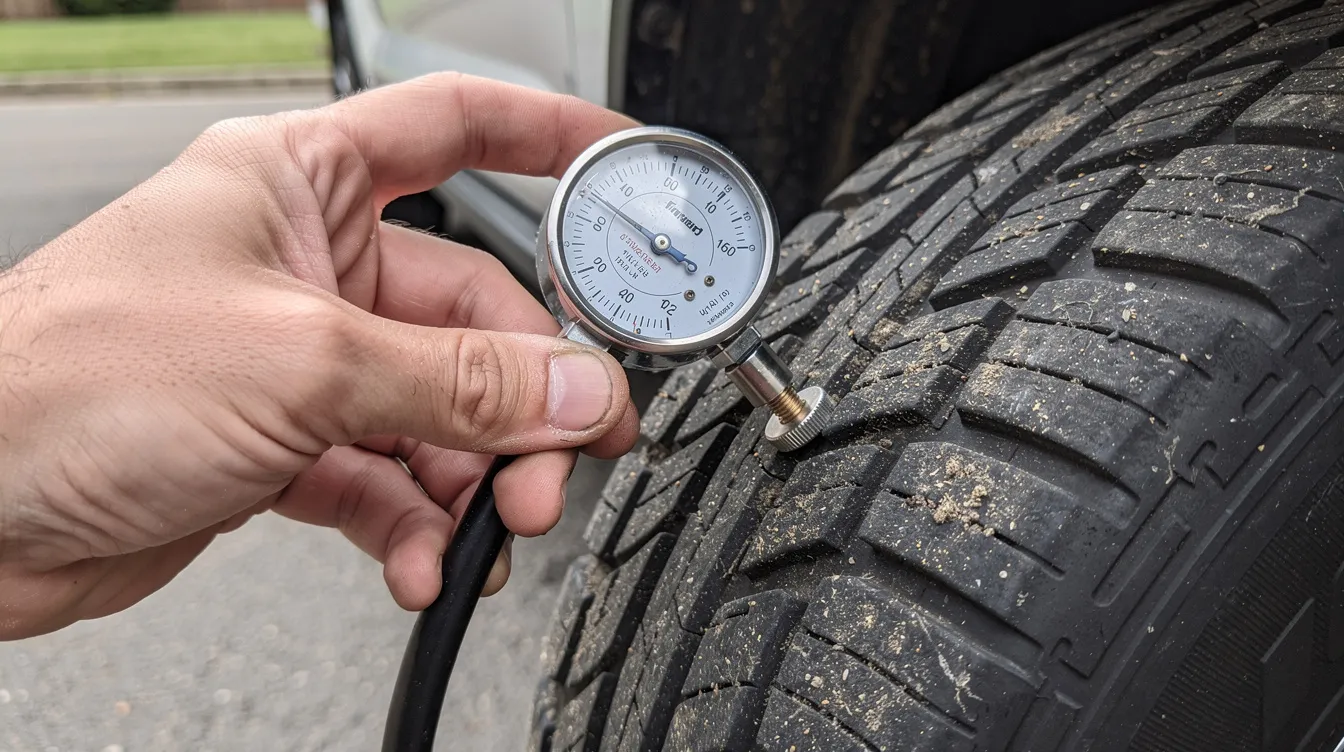
Check against the door-jamb sticker (typically 32-35 psi for sedans), not the sidewall maximum
Cold temperatures cause approximately 1 psi loss per 10°C drop
Bring pressures back up after months of slow air loss
Visual tire inspection:
Look for sidewall cracking, bulges, or dry rot
Check DOT date codes (last four digits show week/year—replace tires older than 5-6 years regardless of tread depth)
Wheels:
Inspect for corrosion or pitting from residual road salt
Remove storage bags or wheel covers before driving
Brakes:
Surface rust on rotors after winter is normal and will burn off with use
Look through wheel spokes for serious pitting or caliper seizure signs
Ensure parking brake disengages smoothly
For your first real drive, plan repeated smooth stops from moderate speeds to clean the rotors and confirm normal braking feel without grinding or vibration.
Battery and Electrical: Bringing the Spark Back
Even a healthy battery can weaken after 4-5 months of cold storage, especially without a battery tender or battery maintainer connected.
Visual inspection:
Check terminals for white or blue corrosion (sulfate crystals)
Look for case swelling or leaks
Clean terminals with a brush and baking-soda solution (1:10 ratio) if needed
Testing:
Use a multimeter to check rested open-circuit voltage
12.6V or higher indicates healthy charge (75%+ state of charge)
12.2V is marginal (50%)
Below 12.0V means essentially a dead battery
Charging recommendations:
Use a slow charger at about 10% of battery capacity (e.g., 6A for a 60Ah battery) over 12-24 hours
Avoid relying solely on the alternator to recharge a deeply discharged battery—this can cause overload
Quick jumps stress the system unnecessarily
Electrical systems check:
Test lights, horn, wipers, and power windows before starting
This catches rodent-chewed wires or blown fuses from storage
If the car repeatedly struggles to crank after this winter, budget for a new battery before spring road trips.
First Start-Up: Priming, Idling, and Listening Carefully
The first start after months parked should be controlled and observant—more systems check than normal morning commute.
For technically inclined owners:
Some vehicles benefit from priming oil pressure by cranking briefly (5-10 seconds) with the fuel pump fuse or relay pulled
This builds oil gallery pressure before combustion, protecting the cylinder walls
Starting procedure:
Start with the hood open
Watch immediately for warning lights on the dash, abnormal smoke, fuel smells, or loud knocking
Blue smoke indicates oil burning; white suggests coolant; black means rich fuel mixture
Idle protocol:
Let the car idle for 5-10 minutes to reach operating temperature
Monitor temperature gauge for normal linear rise to about 90°C
Listen for belt squeal and watch for coolant leaks
Idle should gradually smooth from around 1500 RPM down to 700 as the ECU adapts
Important reminders:
Do not rev aggressively—keep revs low while everything wakes up
Let stale fuel burn through gradually
Check for fresh drips under the car after 5-10 minutes of idling before your first drive
The Shakedown Drive: Short, Slow, and Close to Home
Frame this first ride as a cautious neighbourhood loop, not an immediate highway blast.
Test at low speeds:
Steering feel (watch for excessive play or wandering)
Brake response (no pulsation or pull)
Transmission shifts (smooth engagement, no slipping or hesitation)
Listen for clunks, grinding, or whining that weren’t present last fall
Brake conditioning:
Gently exercise the brakes with repeated smooth stops from about 50 km/h
This cleans light rotor rust
Stay alert for persistent pulsation (warped rotors) or pull to one side (sticking caliper)
Balance and alignment:
Check tire balance feel at moderate speeds (50-60 km/h)
Severe flat spots or alignment issues will show as vibration
Post-drive inspection:
Walk around the car and sniff for hot or burning smells
Watch for new leaks
Re-check fluid levels once the car cools
Any persistent vibration, brake issue, or odd noise after this shakedown is a cue to book a visit with a trusted mechanic.
Cleaning Off Winter Dust: Interior and Exterior Refresh
Even a fully stored, covered car gathers dust, odours, and light surface contamination over a Canadian winter. A breathable car cover helps, but spring cleaning is still essential.
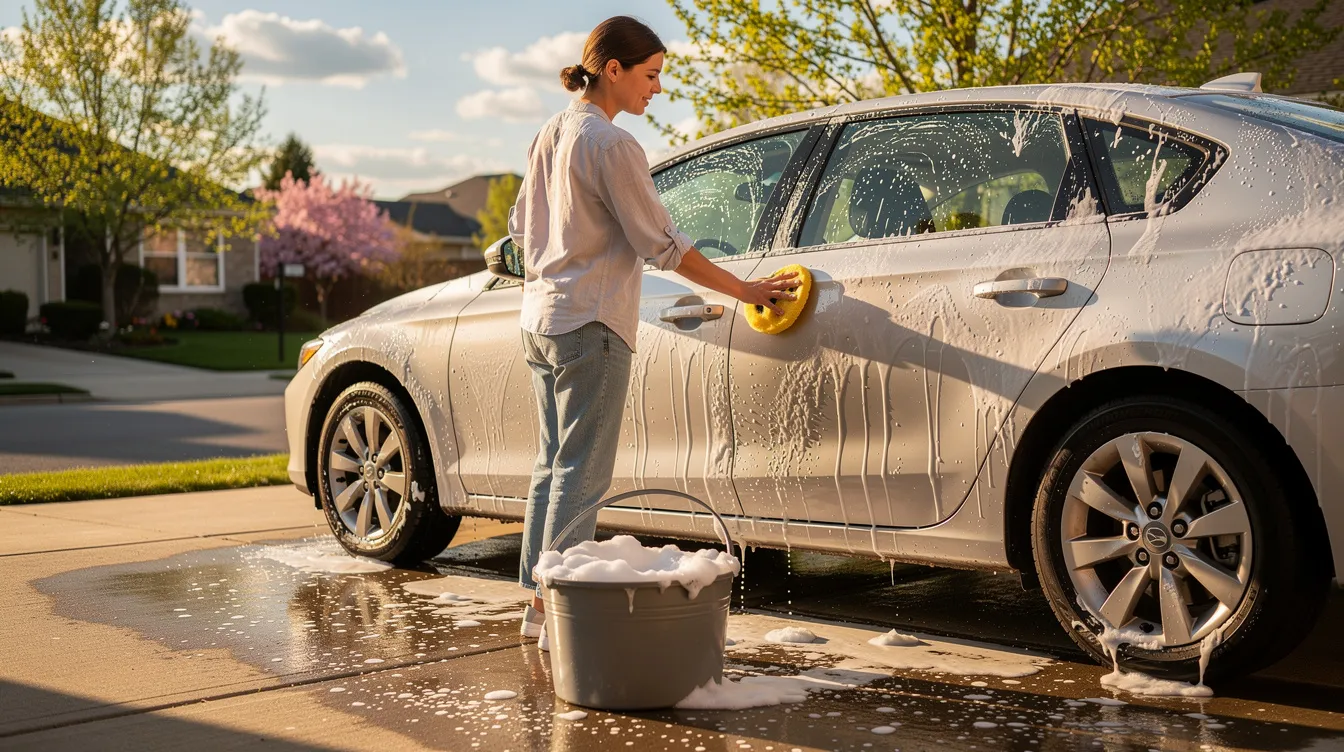
Exterior wash:
Pre-rinse to remove loose debris
Use pH-balanced car soap
Dry carefully with microfibre towels
Apply fresh wax or sealant to protect paint against spring rain and leftover salt residue
Pay attention to wheel wells, underbody edges, and lower doors where salt film lingers
Interior refresh:
Vacuum carpets and seats thoroughly
Wipe hard surfaces including the dash
Check for musty smells or dampness (could signal a leak developed over winter)
Some owners use dryer sheets or irish spring soap during storage to deter pests—remove these now
Cabin air:
Open windows slightly or doors for 20-30 minutes on a dry, mild day
Replace cabin air filter if it smells stale
This freshens ventilation before summer road trips
When Your Plans Change: Selling, Trading, or Upgrading After Storage
Sometimes, after waking a stored car in spring, owners realize they drive it less than expected or simply want something different for the new season.
Consider your options if:
Inspection reveals major repairs (rust, engine issues, aging tires and brakes)
Repair costs approach or exceed the vehicle’s value
Your driving needs have changed
Document everything:
Take photos during your spring inspection
Save receipts for any work done
Notes on condition support a stronger asking price or appraisal
If you’re in Canada and curious about your car’s current market value, Purr offers a free appraisal process that makes it easy to see what your vehicle might fetch before spending heavily on repairs.
How long is “too long” for a car to sit over a Canadian winter?
A typical storage period from roughly November to late March (4-5 months) is manageable if the car was prepped properly—full tank with fuel stabilizer, correct antifreeze mix, inflated tires, and battery maintainer connected. Once storage stretches beyond 6-12 months, risks to fuel quality, seals, tires, and battery increase significantly, and your spring checklist should be even more thorough. If conditions and insurance allow, starting and gently moving the vehicle outdoors or within your storage space every 4-6 weeks can reduce many issues, though many car guy owners simply prefer comprehensive prep and a single spring wake-up.
Is it safe to drive my stored car before I’ve changed the oil?
If the oil and filter were changed right before storage and the car hasn’t been started since, a short, gentle spring shakedown drive is usually acceptable. However, if the oil was already old last fall, or shows milky, gritty, or fuel-contaminated appearance when you inspect it, change it before any serious driving. For good measure, owners who plan spirited spring driving should treat a fresh oil change as cheap insurance after hibernation.
Do I really need fuel stabilizer if I store my car from November to March?
Modern gasoline in Canada can start to degrade and attract moisture in as little as 60-90 days, especially with temperature swings between cold snaps and milder spells. Using stabilizer in a full tank before putting your car into winter storage reduces varnish, gum, and rust risks in the fuel system. If stabilizer wasn’t used, fill with fresh gas promptly in spring and avoid hard driving until at least part of the old fuel has been diluted and burned through the system.
What if I find rodent damage when I open the hood?
Do not start the engine if you see obvious chewed wiring, nests on exhaust components, or shredded insulation in critical areas. Carefully remove nests using gloves and a mask, then have a qualified technician inspect wiring, hoses, and belts before any attempt to start. For next winter, consider placing jack stands under the vehicle to create access for inspection, using traps around (not inside) the car, sealing garage entry points, and removing open food or pet kibble from the storage area. Rodent wiring repairs can run anywhere from $800 to $3,000 or worse depending on damage extent.
Should I book a professional inspection after winter storage even if everything seems fine?
For newer daily drivers with no apparent issues, a basic spring service—oil change, tire rotation, brake check—often suffices without a full inspection. For older vehicles, collector cars, or cars that sat longer than one winter, a professional inspection can catch hidden brake, suspension, or fuel-system problems before they become safety issues or expensive fire risks. Having a mechanic’s report can also support resale value if you later choose to get a free appraisal or sell the car in the Canadian market.