


April 22, 2024

Canadian winters bring unique challenges to drivers, and most cold-weather collisions fall into the category of low-speed fender benders. While these incidents might seem minor at the scene, they can affect your safety, your vehicle’s value, and your insurance costs for years to come.
A fender bender is a low-speed collision that typically damages bumpers, fenders, headlights, or tailgates without causing major structural harm to the vehicle. In winter, these minor car accidents become especially common on snow-packed city streets, in frozen parking lots, and at intersections where stopping distances are unpredictable.
Across Canadian cities like Toronto, Calgary, Montreal, and Winnipeg, winter conditions transform ordinary driving into a challenge. Four-way stops become sliding zones, shopping centre lots turn into low-traction obstacle courses, and highway off-ramps test even experienced drivers. The Insurance Bureau of Canada reports that 25-30% of all auto claims fall into the minor collisions category, with claim volumes spiking 20-50% during the December-to-February period.
While vehicles involved in a fender bender are usually drivable afterward, hidden issues often lurk beneath the surface:
Injuries from winter fender benders are typically mild—whiplash, bruising, muscle strains—but cold weather can mask pain at the scene. Many drivers feel fine in the moment, only to notice stiffness, headaches, or back pain the next morning when muscles have tightened overnight.
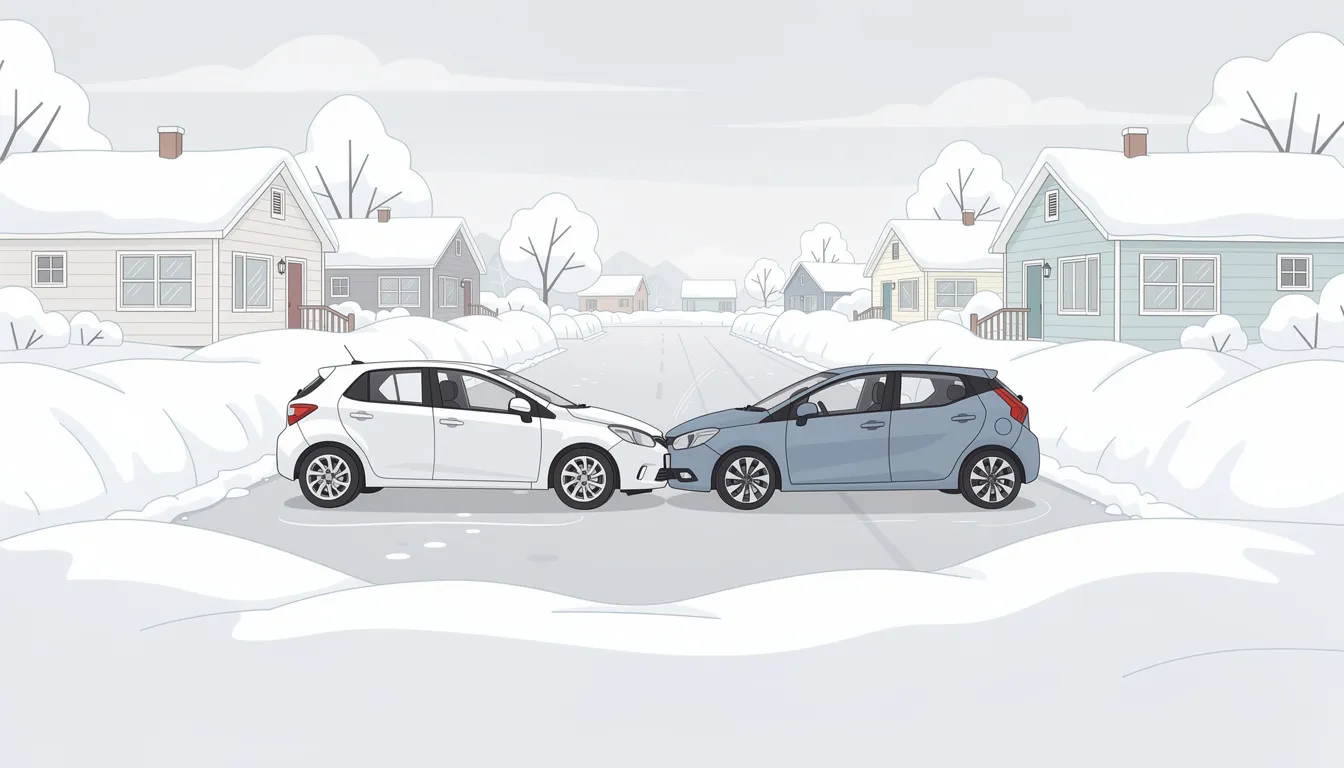
Understanding where and how these accidents happen can help you stay prepared:
Canadian winters—typically running from November through March, and sometimes longer in the Prairies and Northern Ontario—dramatically increase the risk of low-speed collisions. Even experienced drivers who have handled countless winter seasons can misjudge stopping distances on black ice, slush, and hard-packed snow.
The physics are unforgiving: tire-road friction can drop below 0.2 on glare ice compared to 0.7-0.9 on dry asphalt. That means stopping distances can increase by four to five times in poor weather conditions. When temperatures drop below freezing and freezing rain coats the roads, even a careful driver traveling at a safe speed can find themselves sliding into the vehicle ahead.
Insurance companies across Canada report higher claim volumes after major storms hit Toronto, Ottawa, Edmonton, Halifax, and other urban centres. The combination of reduced visibility, slippery surfaces, and rushed commuters creates the perfect environment for fender benders to multiply.
Road conditions in Canadian winters present several distinct hazards:
Weather isn’t the only factor—driver habits play a major role in winter fender benders:
Even at 20-30 km/h, a winter fender bender can cause real harm. The sudden jolt of impact—especially when occupants are tense from bracing themselves on a slippery road—can result in whiplash, soft-tissue injuries, and delayed-onset back pain. According to Canadian Medical Association Journal data, 10-15% of winter fender bender victims experience delayed symptoms that don’t appear until a day or two after the collision.
Cold weather complicates injury assessment. Muscles contract in frigid temperatures, which can mask pain at the scene. A driver in Vancouver, Saskatoon, or Halifax might walk away feeling perfectly fine, only to wake up the next morning with a stiff neck and throbbing headache.
Vehicle damage follows a similar pattern of hidden complications:
| Visible Damage | Potential Hidden Issues |
|---|---|
| Scuffed bumper cover | Crumpled energy-absorbing foam behind plastic |
| Cracked taillight | Damaged wiring harness or moisture intrusion |
| Dented fender | Misaligned wheel or bent suspension component |
| Scratched paint | Compromised ADAS sensors or radar units |
If you’ve been in a winter collision, seek medical attention even if you feel fine initially—some injuries only reveal themselves after 24-48 hours. Similarly, book a thorough vehicle inspection with a qualified shop that understands winter-related damage.
Understanding the true extent of damage and repair costs is essential when deciding whether to repair, keep, or sell your vehicle. A free value check from Purr at purr.ca/free-appraisal can help you put real numbers to that decision before committing to expensive repairs.
When a fender bender happens on a cold, icy day, the immediate aftermath can feel like a stressful situation. Knowing exactly what to do helps you stay calm, protect yourself, and set up a smoother claims process with your insurance provider. These steps apply across Canadian provinces, though local details—like Collision Reporting Centre locations—may vary.
Your first priority after any accident is safety. Winter conditions add unique challenges that require extra caution:
Thorough documentation protects you during the insurance claim process and helps determine fault accurately. Winter scenes require extra attention because evidence can disappear quickly as snow falls or plows arrive.
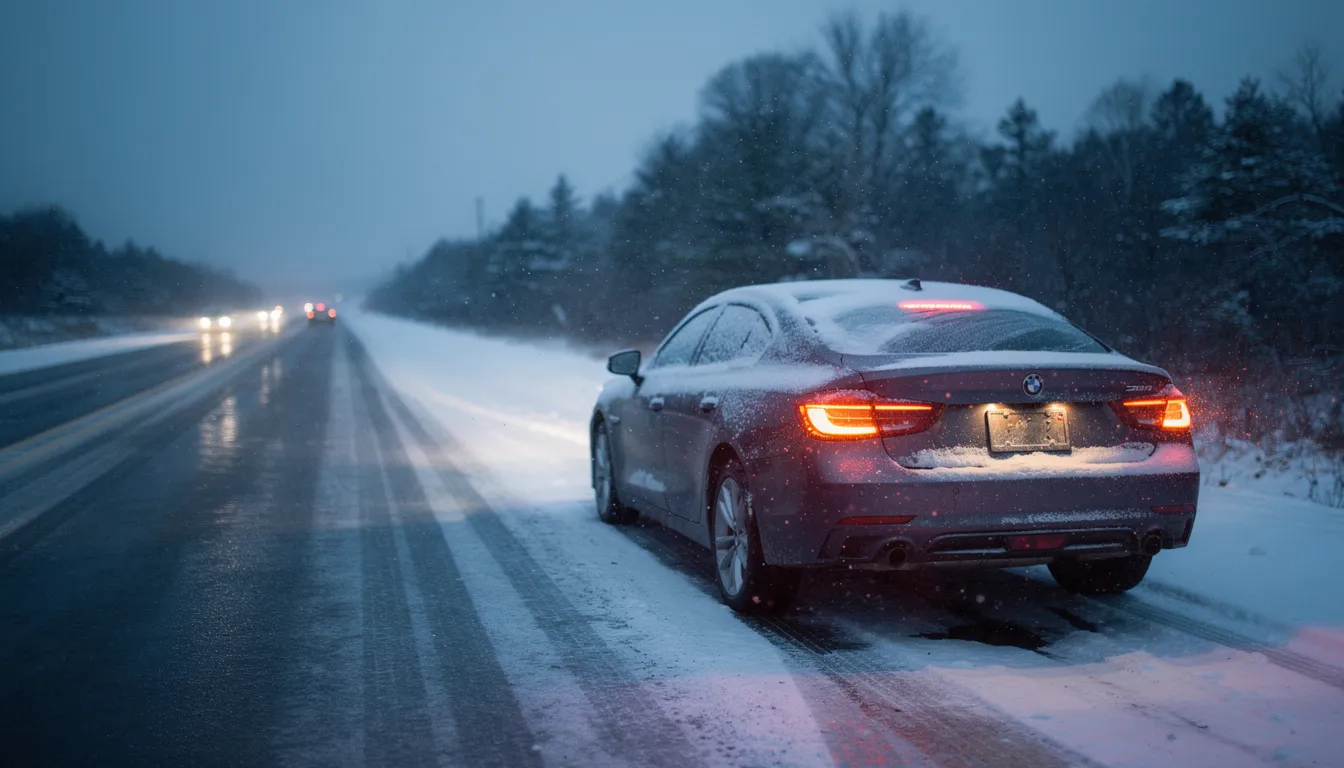
Not all winter fender benders require immediate police attendance, but certain situations demand a call to 911:
In many Canadian cities, non-emergency collision reporting is handled through designated Collision Reporting Centres. Toronto, Mississauga, Ottawa, and other municipalities operate these facilities where drivers can file reports after leaving the scene safely. You’re typically expected to attend within 24 hours if police didn’t come to the scene.
When a police officer does respond, ask how to obtain a copy or reference number for the police report—insurers often request this documentation for winter collision claims. If police cannot attend due to a major storm or backlog, follow provincial guidance on self-reporting once roads are safe to travel.
Even a minor fender bender during inclement weather can influence your premiums, deductibles, and accident record with Canadian insurers. The specific impact depends on fault determination, claim size, whether you have accident forgiveness, and the rules in your province.
Prompt and accurate reporting matters more than many drivers realize. If complications arise later—hidden damage is discovered, injuries worsen, or the other driver files a claim you weren’t expecting—having reported the incident protects your position.
Before winter season arrives, review your existing auto insurance policy to understand:
| Coverage Type | What It Covers | Typical Deductible |
|---|---|---|
| Collision coverage | Damage to your vehicle in an accident | $500-$1,000 |
| Comprehensive | Non-collision damage (theft, hail, vandalism) | $300-$500 |
| Direct Compensation (Ontario) | Property damage when you’re not at fault | None or minimal |
| Rental Car | Temporary vehicle while yours is repaired | Varies |
Reporting requirements vary by province, but here’s the general framework:
In Ontario, you must report a collision to police if anyone is injured or if combined vehicle and property damage appears to exceed $2,000. Similar monetary thresholds exist in other provinces, though exact amounts and procedures differ.
Even when damage seems minor—maybe just a scratched bumper and broken taillight—reporting to your insurance company is usually wise. Here’s why:
Check your provincial government or municipal police websites for current reporting thresholds and Collision Reporting Centre locations. Failing to report when legally required can result in fines, licence consequences, and potential coverage issues with your insurance policy.
Contact your insurer as soon as reasonably possible—ideally within 24 hours of the accident. Have the following information ready:
When describing what happened, be clear about winter road conditions but avoid speculating about fault or accepting blame prematurely. Phrases like “the road was icy and I couldn’t stop in time” are factual; “it was totally my fault” creates unnecessary complications.
Keep a written log tracking your claim number, adjuster names, call dates, and decisions made. Winter often means backlogs at body shops, so repair timelines can stretch longer than expected. Some insurers offer direct repair programs with preferred shops, but vehicle owners in Canada generally retain the right to choose where their car is repaired.
Understanding how a winter fender bender affects your insurance coverage long-term helps you make informed decisions:
If found at fault or mostly at fault:
If found not at fault:
For older vehicles with relatively low market value, the math gets interesting. If repair costs approach what the car is worth—minus your deductible—you might end up paying more out of pocket than the vehicle is worth. This is where understanding your car’s true market value becomes essential.
Using Purr’s tools at purr.ca helps you understand what your vehicle is actually worth before deciding whether to repair, file a claim, or sell after a winter collision.
Once the immediate crisis is handled and the insurance claim is underway, many drivers face a financial decision: invest in vehicle repairs, keep driving with cosmetic damage, replace the vehicle entirely, or sell it and move on.
The right choice depends on several factors:
Winter damage can accelerate rust and devalue a car more quickly than summer collisions. Salt and brine treatments used heavily across Eastern Canada penetrate scratches and dents, causing corrosion that spreads under the paint over subsequent seasons.
Before committing to repairs, get a clear picture of the numbers:
Industry data shows typical fender bender repairs range from $1,000 to $5,000, but quotes can climb higher when sensors, cameras, or structural components are involved. If repairs approach or exceed your vehicle’s market value, it may make more financial sense to sell and put the funds toward a safer, newer car.
Selling your vehicle after a winter fender bender can be the smartest move in several scenarios:
Purr offers a streamlined, Canada-based process for selling your vehicle at purr.ca/sell, including options for cars that have just been in a winter fender bender. A quick, data-backed offer helps you avoid extended repair delays and move on to a vehicle that better suits your needs.
An experienced team can provide insight into your vehicle’s value even with recent damage, giving you a clear picture of your options without pressure.
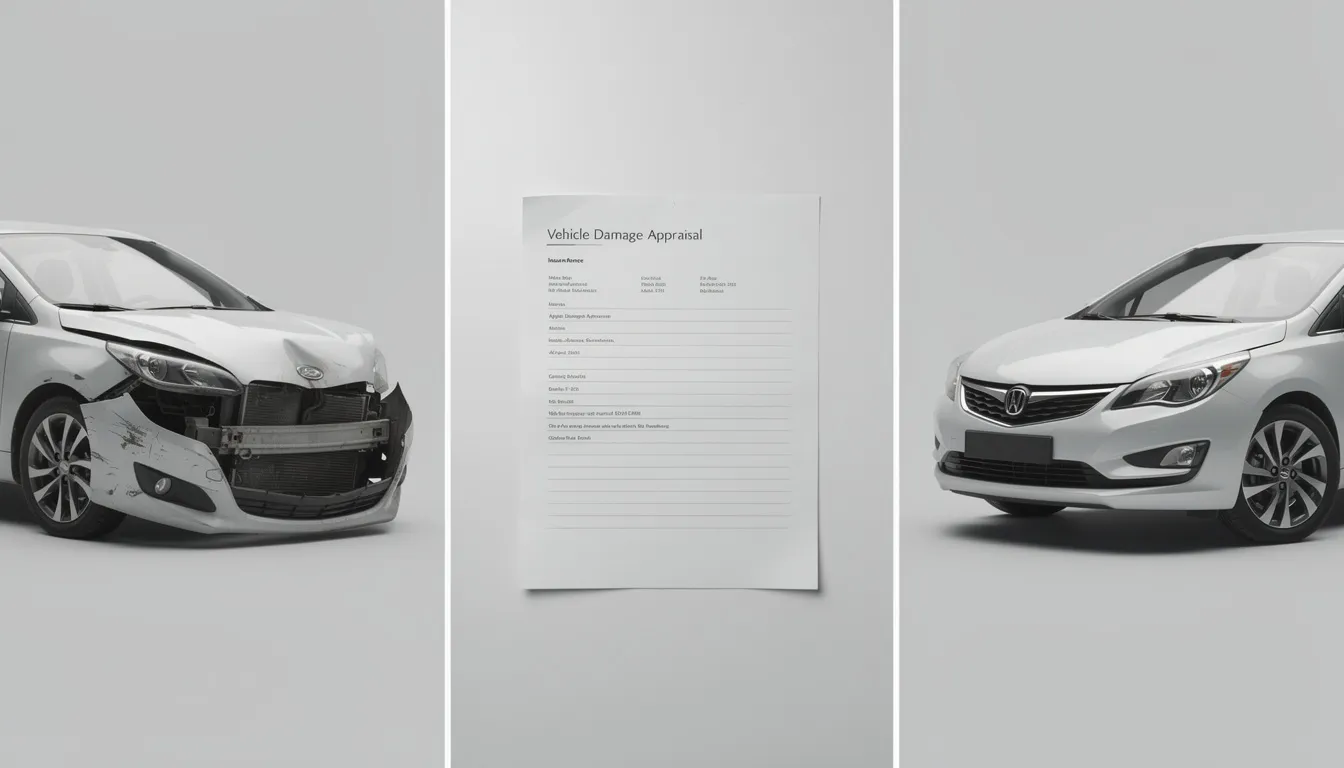
After a winter crash, many Canadians choose to upgrade to vehicles with better cold-weather capabilities:
If you’re considering a replacement, purr.ca/buy can be a starting point for exploring vehicles that better suit Canadian winters, with emphasis on safety, reliability, and value retention.
Whatever vehicle you choose, take steps to stay winter ready from the start:
Treating a winter fender bender as a learning experience can lead to years of safer, more confident winter driving ahead.
Purr is a Canada-based service focused on making vehicle decisions easier for drivers dealing with situations like winter fender benders. Whether you need to understand your car’s current value, want to sell your vehicle, or are looking for a better fit for Canadian winters, Purr’s tools and services are designed to help.
Visit purr.ca/about to learn more about the company’s approach, values, and Canadian focus. The team provides transparent, data-informed valuations so you can compare repair quotes against what your vehicle is actually worth in today’s market.
Purr doesn’t replace insurance or collision repair services—instead, it complements them by helping Canadians make clear, financially sound decisions once the snow has settled and the initial crisis is past.
For a free consultation on your vehicle’s value, start with the free appraisal at purr.ca/free-appraisal. You’ll get expert advice tailored to your specific situation without any obligation.
Q: Do I always have to file an insurance claim for a winter fender bender if damage looks minor?
A: Not necessarily, but it’s usually wise to report the incident to your insurance provider for advice, even if you decide not to open a formal claim. Minor-looking winter damage can hide costly issues beneath plastic bumper covers, and documenting the event protects you if the other driver later files a claim or reports injuries that weren’t mentioned at the scene.
Q: How long after a winter collision do I have to report to a Collision Reporting Centre in Ontario?
A: In many Ontario municipalities, you’re expected to attend a Collision Reporting Centre within 24 hours if police did not come to the scene and if the collision meets reporting thresholds. Exact timelines and procedures can vary by region—check your local police or municipal website right after an accident for current requirements.
Q: Can a low-speed winter fender bender really affect my car’s resale value?
A: Yes, and sometimes significantly. Even small repaired accidents may appear on vehicle history reports like Carfax, and poor-quality or incomplete repairs—especially where rust and salt are involved—can reduce what buyers are willing to pay. Getting a clear value estimate through tools like Purr’s free appraisal at purr.ca/free-appraisal helps you understand your options before committing to repairs or a sale.
Q: Is it safe to keep driving my car after a winter fender bender if it looks okay?
A: Not always. Hidden damage to steering components, suspension, cooling systems, or safety sensors can make the car unsafe even when exterior damage appears minimal. If you notice any leaks under the vehicle, strange noises while driving, pulling to one side, or dashboard warning lights, have the vehicle inspected by a qualified technician before driving further.
Q: Will a not-at-fault winter collision still raise my insurance premiums in Canada?
A: It depends on your insurer and province. Many insurers treat not-at-fault collisions differently from at-fault ones and may not increase premiums, but the incident may still appear on your driving record. Contact your insurance company directly to ask how a specific winter claim would affect your future premiums and whether any accident forgiveness provisions apply to your policy.


