


April 22, 2024

Canadian winters rarely follow a predictable script. One moment you’re navigating rain-slicked streets at +5°C, and hours later, that same moisture has transformed into a treacherous sheet of black ice as temperatures plunge to –5°C. Understanding how to adapt your driving to these rapid freeze-thaw cycles can mean the difference between arriving safely and becoming another collision statistic.
Freeze-thaw cycles occur when daytime air temperature climbs above 0°C, melting snow and ice, only for overnight cold temperatures to drop the mercury back below freezing. This pattern is common across Canadian cities including Vancouver, Edmonton, Halifax, Calgary, and Winnipeg from October through April, creating constantly shifting road conditions that catch many drivers off guard.
During the warmer hours, snow and ice melt into surface water that pools on roads, sidewalks, and driveways. As the sun sets and temperatures drop, this moisture refreezes into black ice—a thin, clear layer that mirrors the dark asphalt beneath it, making it nearly invisible to approaching drivers. The result is pavement that looks merely wet but offers almost no tire traction.
Temperature swings of 10–15°C within 24 hours are surprisingly common during transitional seasons. Imagine driving home at 2 p.m. when it’s +4°C and roads are wet, then heading out the next morning at 6 a.m. to find that same road covered in a glaze of ice at –8°C. These dramatic shifts dramatically increase the risk of losing control.
Beyond the immediate hazard of icy conditions, freeze-thaw cycles damage the pavement itself. Water seeps into cracks, freezes, and expands, creating potholes and frost heaves that seem to appear overnight. These road surface failures can impact your tires, suspension, and wheel alignment—turning a winter commute into an expensive repair bill.
Urban neighbourhoods, including residential streets where families are buying or selling homes with Purr, can be just as hazardous as major highways during these temperature swings. Meltwater pools in low spots, shadows from buildings and trees prevent sun from reaching certain patches, and side streets often receive less attention from plowing and salting crews.
Before starting your car during cold weather months, take a few minutes to check Environment Canada forecasts, your provincial 511 road condition website, and any local municipal alerts. Whenever temperatures are expected to pass through the 0°C mark—in either direction—conditions can change rapidly and unpredictably.
Specific Canadian weather patterns create distinct hazards. In Southern Ontario, freezing rain warnings often precede dangerous glazing events where roads become skating rinks. In Calgary, Chinook winds can warm temperatures by 15°C or more in a matter of hours, rapidly melting accumulated snow before an evening refreeze creates widespread black ice.
Pre-trip checklist for freeze-thaw days:
Leave early—15 to 30 minutes before you normally would—when freezing is forecast. This buffer allows you to reduce speed without feeling rushed to reach appointments, showings, or work sites. Rushing on marginal traction is a recipe for losing control.
Save your key weather links as icons on your phone’s home screen for quick, cat-quick checks before turning the key. Environment Canada’s weather page and your province’s 511 system should be just a tap away.
Temperature swings change traction hour by hour, sometimes minute by minute. “Set and forget” driving habits simply don’t work when roads are alternating between wet, slushy, and icy. Staying alert means constantly reassessing conditions and adjusting your approach.
Speed management:
Following distance:
Braking technique:
Steering and acceleration:
If you start to slide:
Turn off cruise control on potentially icy roads. Cruise control can cause unexpected acceleration when tires slip, and it delays your reaction time because you’re not actively managing the throttle. Your owner’s manual likely includes this same recommendation for severe weather conditions.
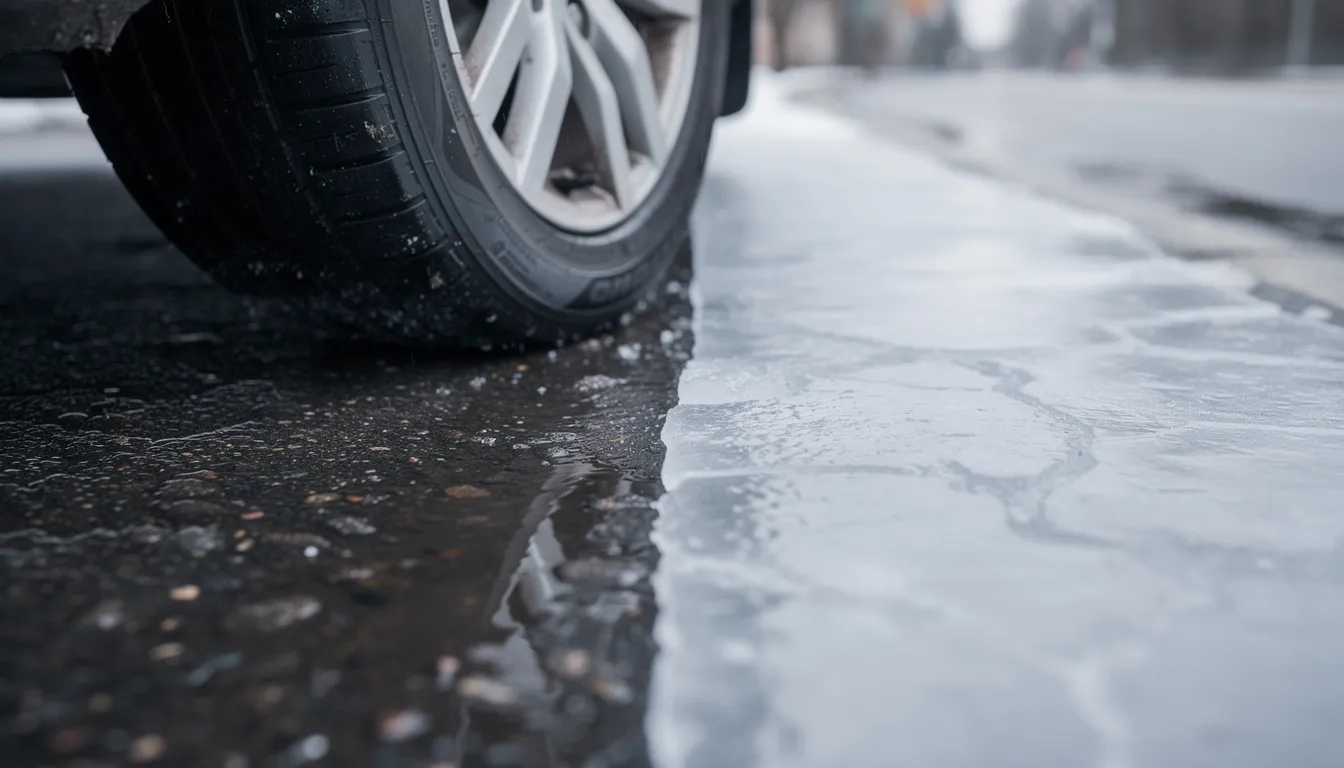
Some parts of the road network freeze and thaw at different rates, creating dangerous “hot spots” for collisions when temperatures bounce around 0°C. Knowing where these zones are helps you anticipate problems before you’re sliding toward them.
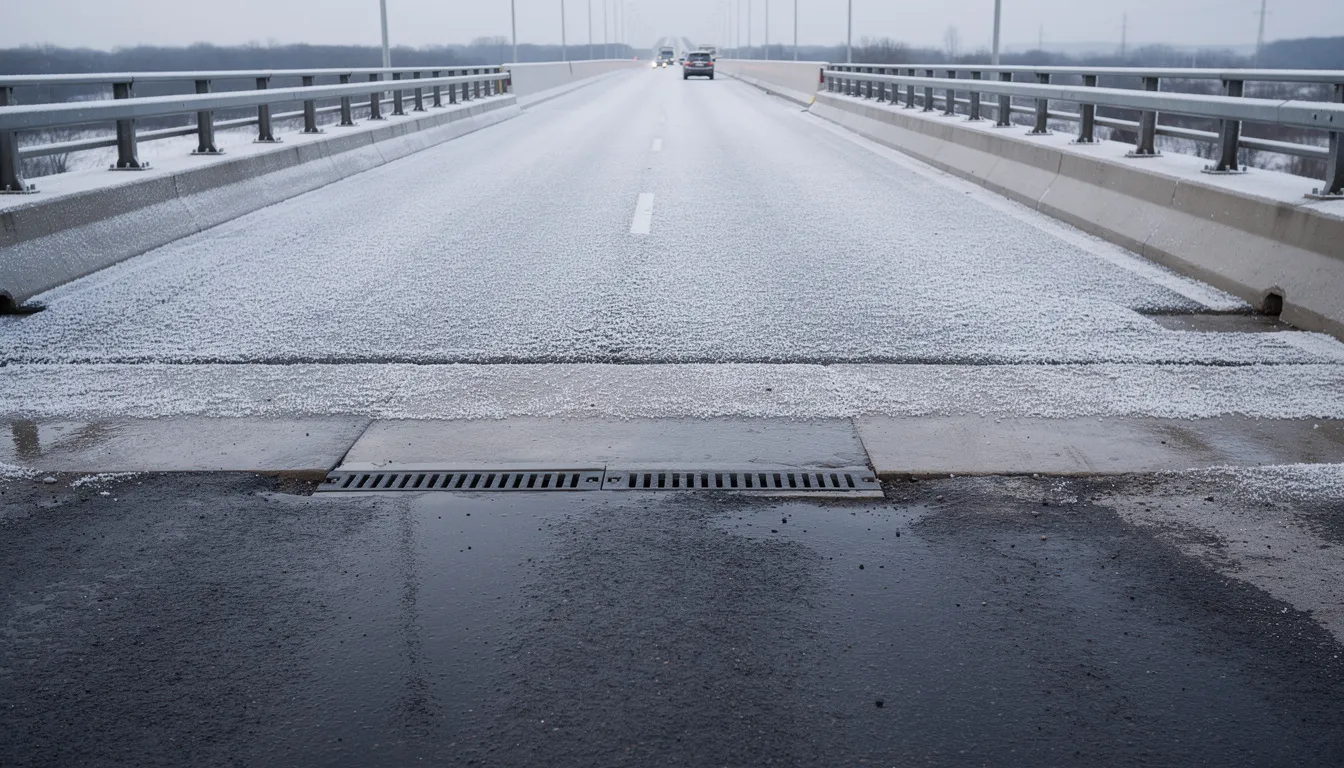
Bridges, overpasses, and elevated ramps freeze first and stay frozen longest. Cold air circulates both above and below these structures, dropping surface temperatures faster than roads covered in ground. Even when surrounding pavement is merely wet roads, bridge decks can already be glazed with ice.
Shaded areas pose persistent hazards:
Ice can remain on these spots for hours or even days after surrounding pavement has cleared.
Intersections, crosswalks, and bus stops see heavy traffic that compacts snow and slush into ruts during milder hours. This packed material melts partially, then refreezes overnight into hard, uneven ice that’s difficult to see and even harder to stop on.
Residential streets, laneways, and parking lots often have drainage issues and snowbank shadows that create puddles during mild spells. These freeze into rough, tire-grabbing ice sheets that can pull your wheels off course or cause you to spin when turning.
Near schools, transit hubs, and shopping areas, pedestrians and cyclists share constrained, slick spaces with vehicles. Scan carefully, reduce visibility of blind spots by moving your head, and slow to walking speed when approaching crosswalks and entrances.
Vehicles face extra stress when weather conditions constantly switch between wet, slushy, and icy. Preventive care through late fall, winter, and early spring keeps your car ready for whatever Canadian roads throw at it.
Winter tires are essential:
Tire maintenance:
Visibility essentials:
Mechanical checks:
Emergency kit essentials:
| Item | Purpose |
|---|---|
| Ice scraper and snow brush | Clear windows and lights quickly |
| Extra washer fluid (–35°C) | Maintain visibility on salt-sprayed roads |
| Traction aids (sand or kitty litter) | Help wheels gain grip when stuck |
| Small shovel | Dig out from snowbanks or drift-covered parking spots |
| Booster cables | Start a dead battery in cold temperatures |
| Warm blankets and gloves | Stay warm if stranded waiting for assistance |
| Fully charged phone and cable | Call for help and navigate to safety |
| First aid kit | Address minor injuries if needed |
| Reflective vest and flashlight | Stay visible during roadside stops in low light |
This kit becomes vital for highway trips between communities, particularly in rural areas or long periods between service stations where help may take time to arrive.
Freeze-thaw cycles affect everyone outside the vehicle, and drivers must adapt their behaviour near crosswalks, driveways, condo entrances, and open houses.
Icy sidewalks and curb ramps slow pedestrians significantly. Seniors, parents with strollers, and people carrying groceries or arriving for property viewings may need extra time to cross safely. Always allow additional reaction time at crossings and start slowly when the light turns green.
Cyclists face their own challenges during these conditions. They may need to ride farther from the curb to avoid ice, slush ridges, and frozen puddles. Give them wider berths than usual and avoid splashing meltwater that can instantly freeze on gear and chains, potentially causing accidents.
Parking during freeze-thaw:
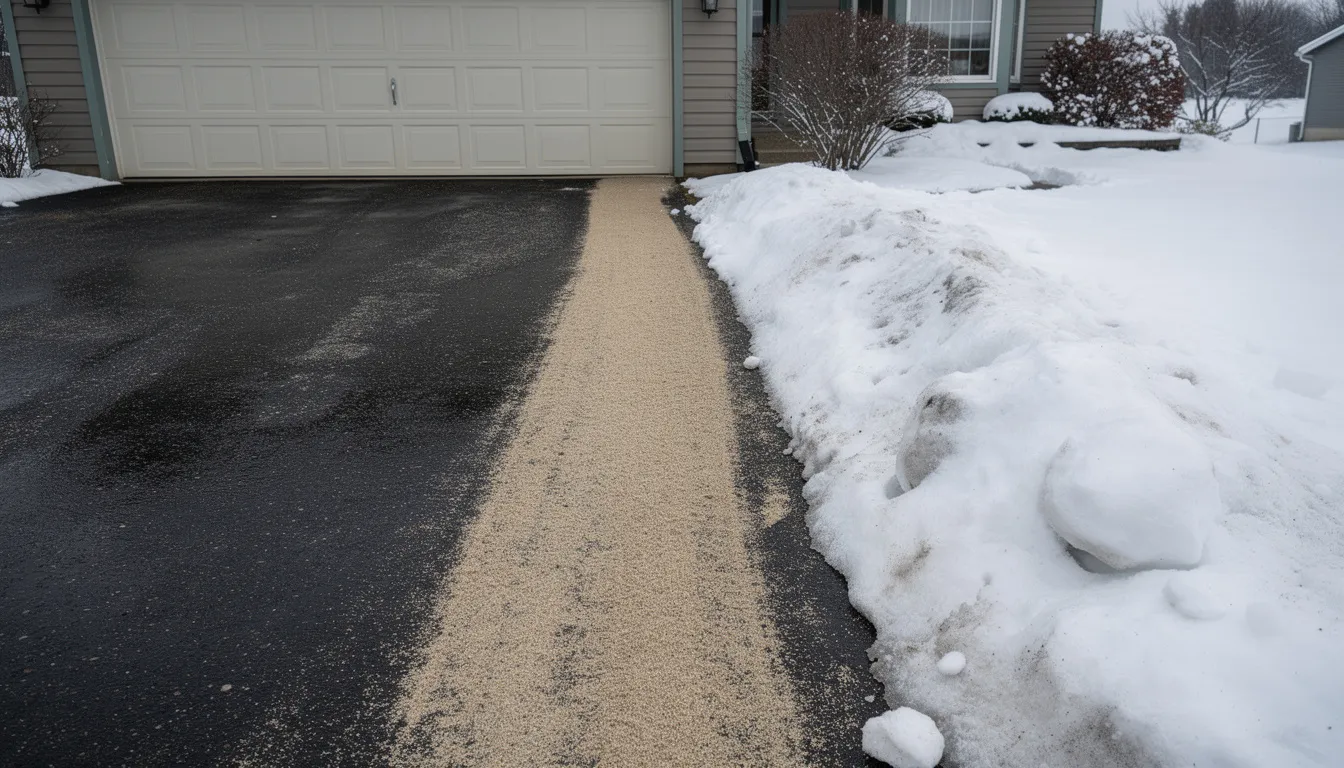
When clients arrive for a viewing or appraisal arranged through Purr, a well-cleared and sanded path and an ice-free driveway not only improves safety but also shows pride of ownership—a small detail that leaves a positive impression.
Homeowners, landlords, and condo boards share responsibility for the safety of driveways, walkways, and parking areas that residents and visitors use daily during driving conditions that shift constantly.
Snow and ice management:
Drainage awareness:
Preventing carbon monoxide poisoning:
Infrastructure damage:
Not every trip is urgent. During active freeze-thaw days, smart planning can dramatically reduce your exposure to the riskiest driving safety conditions.
Timing matters:
Trip consolidation:
Real estate flexibility:
The wisest choice:
If conditions genuinely feel unsafe—freezing rain warnings, widespread black ice reports, or that gut feeling that the roads aren’t right—avoid driving altogether. Staying home remains the cat-cautious choice when severe weather makes every trip a risk.
Freeze-thaw hazards peak during transitional seasons: late October through early December and again from late February through April. These periods see daytime highs climbing above 0°C while overnight lows drop below freezing, creating ideal conditions for repeated melt-freeze cycles. Coastal regions like the Lower Mainland may experience frequent freeze-thaw events throughout December and January due to moderating ocean influences, while Prairie cities typically see sharper but less frequent temperature swings. Regardless of location, any time the thermometer hovers near the freezing mark, treat wet roads with extra caution.
Pavement that appears merely wet can actually be a thin layer of black ice when the air temperature sits at or just below freezing. Black ice forms when a film of water refreezes into a clear, bubble-free sheet that mirrors the dark asphalt beneath—making it nearly indistinguishable from a wet road. This hazard is most common overnight and in shaded areas where the sun hasn’t reached. Treat any glossy or dark patches cautiously: reduce speed and test traction gently in a straight line where it’s safe to do so, rather than discovering the ice while braking or turning.
Several subtle signs indicate you may be on black ice. Listen for a sudden quieting of road noise—tires rolling on ice make far less sound than on wet or dry pavement. You might notice a slight loss of steering response, where the wheels feel disconnected from your inputs. Your vehicle’s traction control or stability light may flicker without any visible snow or slush on the road. If you notice any of these warning signs, ease off the accelerator immediately, avoid sudden brake or steering inputs, and increase your following distance. Stay alert to what your vehicle is telling you.
While all season tires may be legal in most Canadian jurisdictions, they are not ideal conditions for winter driving. Transport Canada and provincial safety authorities strongly recommend switching to dedicated winter tires when temperatures regularly fall below 7°C—a threshold typically reached by late October in most regions. Winter tires use softer rubber compounds that remain flexible in extreme cold and feature tread patterns with siping designed to grip snow and ice. All-season tires stiffen in cold temperatures, reducing their ability to provide better traction when you need it most during icy conditions.
Build a compact emergency kit tailored to rapid temperature swings. Essential items include an ice scraper and snow brush, extra washer fluid rated to –35°C, traction aids like sand or kitty litter, a small folding shovel, warm gloves and a hat, and a phone charger or portable battery pack. Add a reflective vest and flashlight for roadside visibility if you need to stop near icy shoulders or ditches in low light. Consider including an aid kit for minor injuries and a blanket in case you’re stranded for long periods waiting for assistance. Wearing heavy coats while driving can interfere with your seat belt fit, so keep your coat accessible in the back seat rather than wearing it while you drive.
Related links: For more resources on staying safe during Canadian winters, visit Environment Canada for forecasts and warnings, and check your provincial 511 system for real-time road conditions. When you’re ready to explore homes safely—whether in person or virtually—Purr offers flexible viewing options that let you prioritize driving safely while finding your next home.


