


April 22, 2024

The Canadian used car market has shifted in buyers’ favor — more inventory, less competition, and real room to negotiate. But a cooling market doesn’t mean easy deals fall into your lap; the buyers who come out ahead are the ones who do their homework first.
After three years of pandemic-driven price spikes, the Canadian used car market has finally started to normalize. Prices peaked around 2022–2023 when new vehicle shortages pushed buyers toward used inventory, creating bidding wars and above-MSRP pricing that frustrated many buyers.
Several factors have contributed to the cooling:
For buyers in 2026, this means more inventory, less competition, and more room for negotiating effectively. However, this isn’t a fire sale—prices remain above pre-2020 levels, and a fair deal still requires doing your homework.
Purr fits naturally into this context as a Canadian-first platform focused on transparent transactions. Whether you’re looking to buy or sell, the cooling market rewards those who approach the process with clear data.
A car deal isn’t just a number on a windshield. The real question is: what will this vehicle cost you over the next three to five years?
True value comes from balancing multiple factors:
| Factor | Why It Matters |
|---|---|
| Fair purchase price | Should align with Canadian market averages for similar vehicles |
| Low-cost financing | A lower rate can save thousands over the loan term |
| Clean history | No accidents, single owner, and documented service records |
| Strong mechanical condition | Reduces potential maintenance costs and future repairs |
| Reasonable ownership costs | Insurance costs, fuel efficiency, and regular service add up |
Concrete example: Consider a 2019 Toyota RAV4 LE AWD in Calgary. One listing shows a vehicle at $24,500 with 85,000 km, no accidents, and full dealer service records. Another shows the same model at $21,800 with 110,000 km and a previous collision repair. The higher price delivers long term value—lower insurance premiums, better resale, and fewer mechanical surprises.
Chasing the lowest price often means inheriting someone else’s problems. When browsing inventory on platforms like Purr, you can weigh condition, history, and price together rather than defaulting to “sort by cheapest.”
In a cooling market, up-to-date market data is your secret weapon for negotiation. Prices shift monthly, and what was average price six months ago may now be overpriced.
Research strategies for Canadian buyers:
Seasonality matters in Canada:
Regional pricing varies significantly. A vehicle in Vancouver may carry a premium compared to the same model in Montreal due to demand differences, provincial taxes, and transport costs. Factor these into your local market research.
Before stepping into any negotiation, use Purr’s appraisal page to benchmark what your current car is worth. This gives you a realistic floor value for any trade-in discussion.
A cooler car market shows specific patterns that informed buyers can spot:
When you see these signals, you’re shopping in a buyer’s market. Use this knowledge to negotiate from a position of strength.
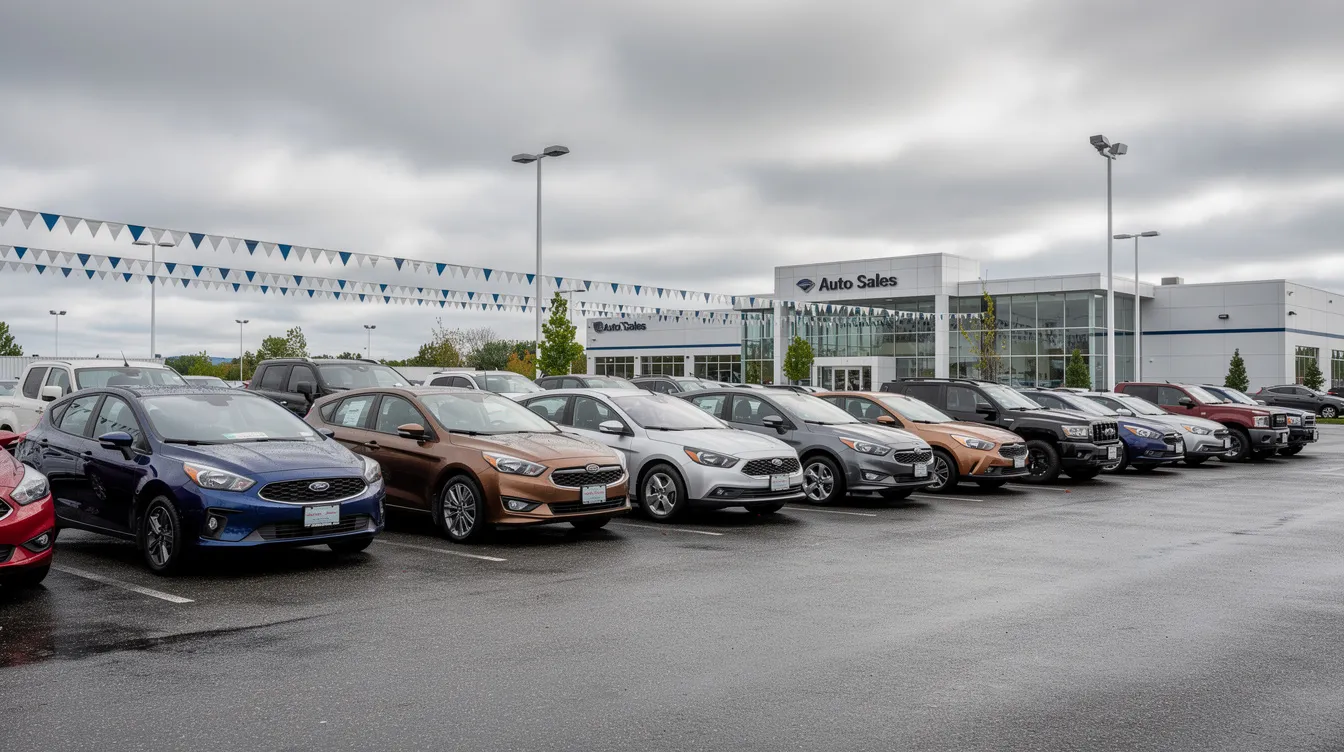
As prices cool, some sellers try to offload problem vehicles at discounts that look attractive on the surface. A vehicle history report is non-negotiable for any used car purchase in Canada.
Key items to scan in a CARFAX Canada or similar report:
Scenario to consider: A 2020 Honda Civic EX in Toronto with one owner, no accidents, and regular service at the same price as another Civic with multiple claims and spotty service records isn’t the same deal. The clean vehicle offers far better long term value.
On platforms like Purr, every listed vehicle should come with a transparent history snapshot, allowing buyers to quickly filter out risky vehicles before wasting time on test drives.
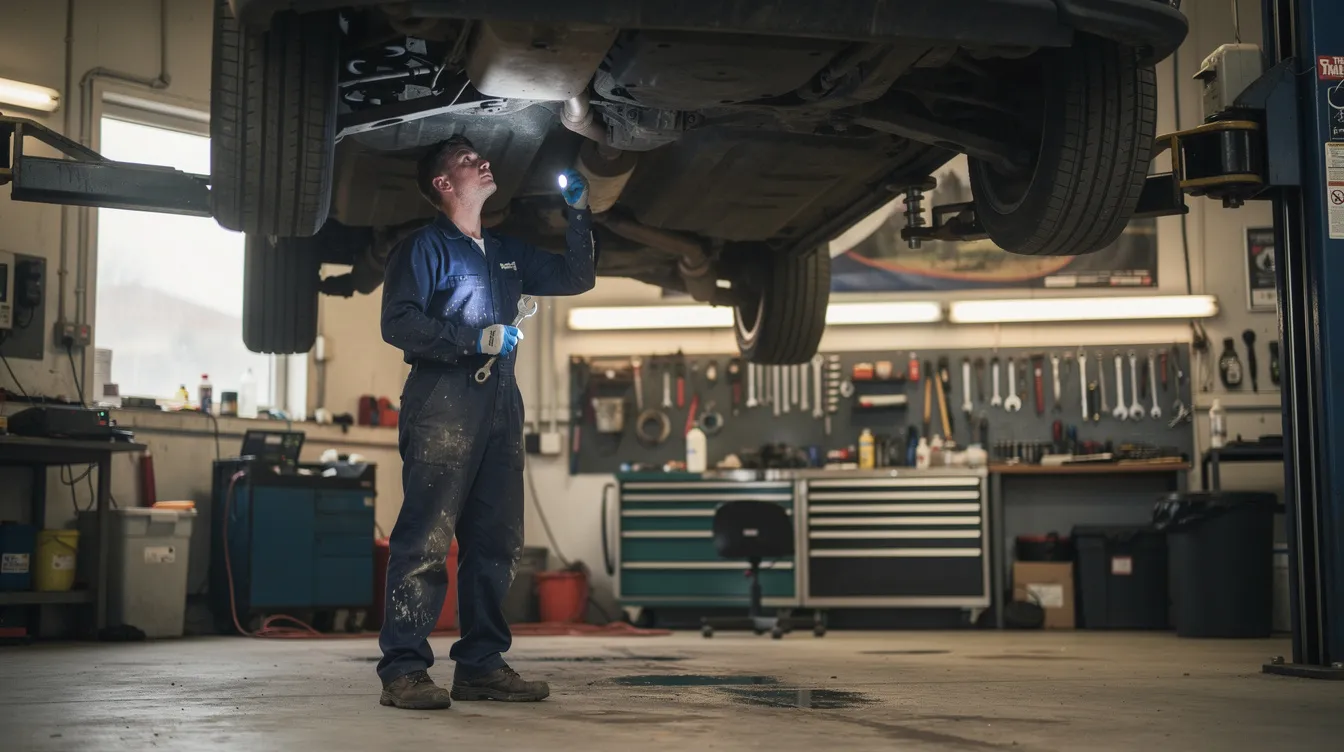
Even when prices drop, skipping inspection is a costly mistake. A $150–$250 inspection by a trusted mechanic can save thousands by revealing hidden issues.
What your mechanic should check:
Use any findings as negotiating leverage. If the inspection reveals $800 in needed brake work, that’s $800 off your offer—or a request for the seller to complete repairs before delivery.
Reputable platforms like Purr should welcome independent inspections and may even offer inspection reports upfront.
In a cooling market, “average” prices drift downward. A great deal today means pricing slightly under the new normal, not the pandemic-era lows that no longer exist.
How to identify genuine value:
Adjusting for interest rates: In high-rate environments, a car price discount may be offset by financing costs. Consider this comparison:
| Vehicle | Price | Interest Rate | 5-Year Total Cost |
|---|---|---|---|
| Civic A | $22,000 | 8.9% | $27,150 |
| Civic B | $23,500 | 5.9% | $27,025 |
The second vehicle costs more upfront but less overall. Always calculate the total cost of ownership, including your monthly payment over the full term.
In Canada, certain red flags should trigger immediate caution:
Warning signs from sellers:
Walk away from any deal that pressures you to bypass due diligence. A transparent marketplace like Purr is designed to minimize these red flags by standardizing disclosures across all listings.
Buyers have more leverage in 2026, but leverage without strategy is wasted. A few tactical moves can significantly improve your final price.
Timing your purchase:
Negotiation preparation:
Remember: the right car at a fair price beats the perfect vehicle at a stretched budget.
Trade-ins work differently as inventory normalizes. Dealers may offer more competitive numbers now that they have adequate stock, but you still need leverage.
Steps to maximize your trade-in:
A firm trade-in number lets you negotiate the purchase and trade separately. This prevents the “shell game” where dealers shuffle numbers between trade value and purchase price to obscure the real deal.
Never let a dealer know your trade-in number before agreeing on the purchase price of your next car.
Canadian buyers now blend online research with in-person test drives, and the cooling market rewards this hybrid approach.
Comparing your options:
| Channel | Pros | Cons |
|---|---|---|
| Traditional car dealership | Financing options, certified pre owned programs, recourse if issues arise | Higher prices, sales pressure, admin fees |
| Online platforms (like Purr) | Transparent pricing, history upfront, stress free browsing | May require inspection coordination |
| Private seller | Often lower asking price, direct negotiation | More risk, no warranty, handle paperwork yourself |
Recommended approach:
Purr offers a low-pressure option to browse, book appraisals, and buy or sell without the traditional dealership friction that many buyers dread.
Even as the market cools, trust and transparency separate a good car buying experience from a frustrating one.
Features to look for in any platform:
Purr focuses on simple, cat-quiet transactions where you can buy, sell, or get an appraisal fully online if you prefer. This transparency matters whether the market is hot or cooling.
Before visiting other sellers, start your search or appraisal on Purr.ca to benchmark fair value and establish your negotiating position.
Before signing anything, run through this pre-purchase checklist designed for Canadian shoppers in 2026:
If you want a second opinion on value at any point, you can get a no-obligation appraisal with Purr or browse their inventory to see how your target vehicle compares.
These FAQs address common questions Canadian buyers ask in 2025–2026 that weren’t fully covered above. Each answer focuses on the cooling market context and practical next steps.
By 2026, prices have come off their 2022–2023 peak but remain above pre-2020 levels. You’re seeing more rational pricing, not rock-bottom deals. Waiting might yield marginal savings if interest rates drop, but you also risk reduced selection or changing incentives. If a right vehicle fits your clear budget and needs today, buying now at a fair price often beats waiting indefinitely for “perfect” timing. Monitor both interest rates and local inventory levels as your primary timing indicators.
In the current market, 3–7% off asking is common on well-priced used vehicles, while 10%+ may be possible on slow-moving units or older car inventory. However, heavily discounted prices may signal hidden issues—any significant discount should be backed by a thorough inspection and history check. Focus on securing a fair “out-the-door” final price including fees and taxes rather than chasing an arbitrary discount percentage. Some online platforms like Purr use market-based pricing, so initial prices may already be closer to fair value with less room for negotiation.
For modern vehicles, 150,000–200,000 km isn’t automatically bad if maintenance is documented and the price reflects the mileage. A well-serviced 2017 Mazda3 with 170,000 km at a strong discount can deliver better long term value than a neglected 2019 with 90,000 km and no service records. Thorough inspection is critical for high-km vehicles, especially checking for rust in provinces with tough winters. Factor in expected remaining lifespan and your annual driving distance when judging whether the discount makes the mileage worth it.
Private sellers in Canada may offer lower upfront prices, but you assume more risk and must handle paperwork, inspections, and financing yourself. Dealers and trusted platforms like Purr typically provide reconditioning, safety certificates, extended warranty options, and easier financing. First time buyers or those short on time often prefer dealer or platform purchases for peace of mind, even at a slightly higher price. Compare at least one private listing and one dealer or platform listing for the same model to see the trade-offs clearly before deciding.
Check 2–3 online tools and current classified listings for similar vehicles in your province, then average the numbers to establish market value. Understand that dealer trade-in offers typically sit below private-sale value because the dealer must recondition and resell at a profit. Use Purr’s free appraisal tool as one of your baseline numbers, then compare it against any in-person offers you receive. Adjust expectations based on your car’s condition, accident history, and whether expensive maintenance like tires or brakes is coming due—these factors directly impact what any buyer will pay.


