


April 22, 2024

Late-winter conditions are harder on your vehicle’s engine and mechanical parts than a road trip summer adventure. Freeze-thaw cycles create icy mornings, heavy slush, and potholes that can quickly ruin your driving experience. A bit of preparation with a trusted Canadian mechanic prevents costly roadside breakdowns during your upcoming road trip.
Canadians hit the road during March Break 2026 for ski trips to Banff and Mont Tremblant, family visits across provinces, and escapes to warmer cities. With provincial breaks clustering around March 14–22, travel volumes spike 20–30% according to CAA reports.
If you realize your current car isn’t reliable for long distances, you can explore options to sell or buy through services like Purr before March Break arrives.

Book your service 1–2 weeks before departure—shops fill up fast in early March. A typical Canadian pre-trip service includes:
Review your owner’s manual for scheduled maintenance milestones like 50,000 km coolant flush or 80,000 km brake service. Getting these done before leaving prevents an unknown mechanic diagnosing car problems mid-trip.
Drivers who don’t want to risk major repairs on aging vehicles might book a free appraisal to decide whether to repair or replace before the getaway.
Long highway stretches put sustained stress on your engine and drivetrain, making fresh inspected fluids incredibly important. Here’s what road trippers pack into their pre-trip routine:
Engine Oil: Change if it’s been 6+ months or 8,000–10,000 km. Check level and colour with the dipstick—golden is good, black and sludgy signals problems.
Coolant: Verify level and mixture suitable for -35°C protection. Check hoses for swelling or leaks before mountain drives where fuel efficiency and cooling matter most.
Brake and Transmission Fluid: Dark or burnt-smelling fluid warrants a flush. Both fluids are essential for safety on routes that cover many kilometres.
Top up winter-grade washer fluid rated for -40°C and replace engine and cabin air filters to reduce odours and improve passenger comfort on hours-long drives.
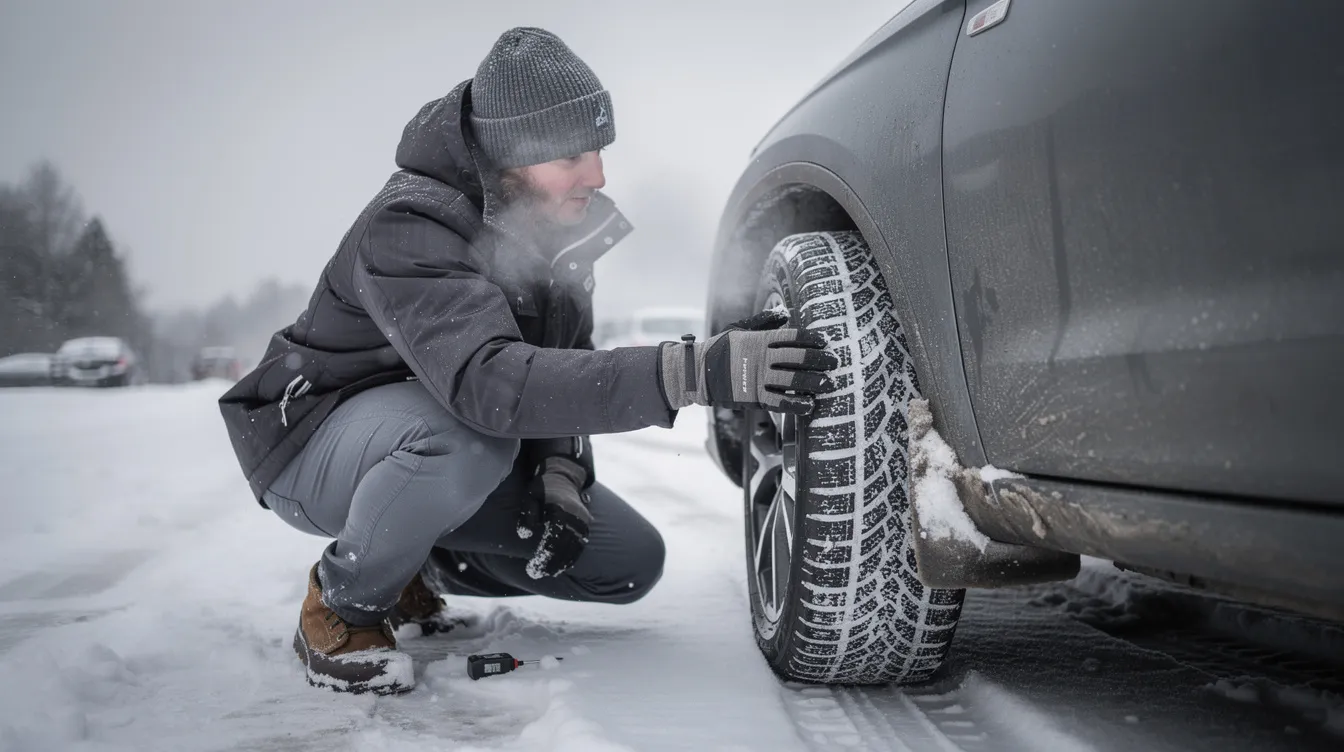
March roads across Canada can shift from dry pavement to black ice in minutes. Whether driving Toronto to Ottawa or Calgary to Banff, your tires and brakes are the first line of defence.
Tire Checks:
Brake Inspection: Listen for squealing or grinding, feel for pulsation in the pedal. Have a mechanic inspect pads, rotors, and lines if anything feels off.
Suspension and Steering: Check for clunking noises, pulling to one side, or vibrations. Address alignment issues before your long road trip to prevent tire wear and handling problems.
Low daylight hours and sudden downpours or snow squalls remain common across Canada in March. Test all exterior lights before departure:
Clean lenses clouded by winter grime and road salt. Replace any burnt-out bulbs and consider extra batteries for flashlights.
Inspect windshield wipers for streaking or chattering—replace if older than 6–12 months or damaged by ice scraping. Wipers that don’t rain correctly compromise visibility in necessary sudden downpours.
Clean the interior of your windshield and all mirrors to reduce glare during sunrise and sunset drives. Verify rear defroster and front defog settings work properly for family trips with kids who fog up windows quickly.
A clean, organized cabin makes multi-hour drives more enjoyable for everyone. Complete these interior checks before departure:
Confirm child car seats are correctly installed and sized for current weight and height. Organize cargo so heavy items like coolers are placed low and secured—loose objects become projectiles in sudden stops.
Prepare entertainment for areas with weak signal: downloaded playlists, audiobooks, blankets, and pillows. For traveling pets, use restraints or carriers for a “purr-fectly” calm ride. This most important part of interior prep ensures an enjoyable journey for the whole family.
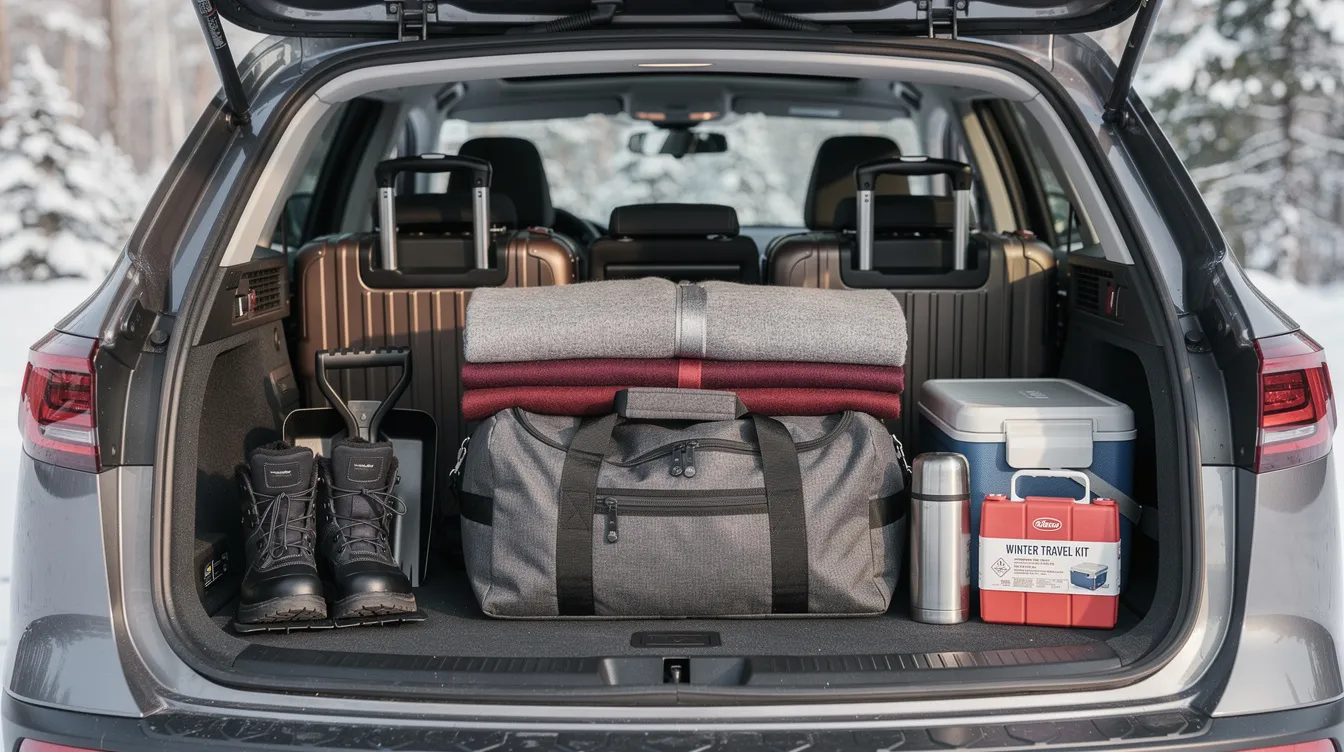
March weather across Canada can swing from thaw to blizzard—2026 forecasts already show potential for 60 cm snow on Coquihalla Highway. Planning your route helps avoid surprises.
Route Planning:
Emergency Kit Essentials: | Item | Purpose | |——|———| | Jumper cables (400A) | Battery jump starts | | Scraper, brush, shovel | Snow and ice removal | | Sand or kitty litter (20 kg) | Traction aid | | Blankets and toques | Warmth if stranded | | First aid kit | Medical emergencies | | Non-perishable snacks and water | Sustenance | | Flashlight and basic tools | Repairs and visibility | | Spare tire (filled appropriately) | Tire emergencies |
Pack phone charging cables, printed reservations, and key addresses for areas with spotty cell service. Save roadside assistance numbers—many people opt to have CAA or similar services on speed dial.
Pre-trip checks sometimes reveal that an older vehicle isn’t ideal for repeated long-distance family travel. Growing families need more cargo space, commuters want better fuel efficiency, and many drivers seek advanced safety features for winter highways.
Canadians who decide their current car isn’t road trip ready can explore selling options or buying a replacement before March Break, giving time to adequately prepare a reliable vehicle.
Whether you upgrade or stick with your current ride, consistent maintenance and planning remain the keys to stress-free March Break adventures. Exploring natural wonders and visiting far off destinations in your own country becomes much easier when your vehicle is working properly.
Book service appointments 1–3 weeks before departure when shops fill up quickly. Simple DIY checks like tire pressure, lights, washer fluid, and wipers can be conducted belts and hood checks in the final 2–3 days. If major work might be needed, inspect your vehicle a month ahead so there’s time for decisions.
In most parts of Canada, winter conditions persist into late March—especially across the Prairies, Northern Ontario, Quebec, and mountain regions. Winter tires are legally required in parts of BC and Quebec through mid-March. Only consider switching to all-seasons if staying in milder southern regions with consistently above-freezing forecasts.
Don’t ignore new warning lights. Check your owner’s manual for the symbol meaning, then use an OBD-II scanner or visit a mechanic. Red lights (brake or engine temperature) mean don’t drive until inspected. Amber lights may allow short trips but investigate before any long road trip.
Plan no more than 7–9 hours total driving including fuel stops, gas tank fill-ups, and meals. Winter driving demands more focus, so 5–7 hours may be safer on routes with potential snow or heavy traffic. Schedule breaks every 2–3 hours and share driving duties to stay alert. Keep your gas tank at least half full in remote areas.
For vehicles over 120,000 km or 8–10 years old, professional inspections are valuable. Technicians spot early issues—worn belts, small leaks, or battery levels dropping—that aren’t obvious but could cause breakdowns. Newer, well-maintained cars may only need DIY checks, but peace of mind matters for family travel.


