


April 22, 2024

Canadian winters fundamentally change how vehicles sell. In provinces like Ontario, Alberta, and Quebec, heavy snowfall, icy roads, and temperatures dipping below -20°C create a unique market where the usual rules of car selling shift considerably.
The good news? Winter dramatically reduces the number of tire-kickers browsing listings out of idle curiosity. The buyers who do reach out during the colder months tend to be serious and time-pressed. They might have just experienced a breakdown, need a vehicle for a new job, or want to replace an aging car before conditions get worse. This means fewer inquiries overall, but a higher percentage of people ready to purchase.
Early winter (November through December) brings its own dynamics. Holiday budgets compete with vehicle purchases, but year-end bonuses, insurance renewals, and the first major snowstorms often push buyers to act. Deep winter—January and February—sees a different pattern: urgent replacements after accidents on slippery roads, failed safety inspections, and buyers who simply cannot wait any longer.
Vehicle type matters significantly during the winter season. All wheel drive SUVs, crossovers with good ground clearance, and reliable sedans offering solid fuel efficiency tend to move faster than sporty rear-wheel-drive cars. A Grand Cherokee or Honda CR-V with quality winter tires will attract more interested buyers than a summer-oriented sports car sitting low to the ground.
Before listing, check recent Canadian listings and sold prices for similar winter-ready vehicles in your area. Understanding realistic demand helps you price correctly and avoid wasting weeks waiting for offers that match spring market conditions.
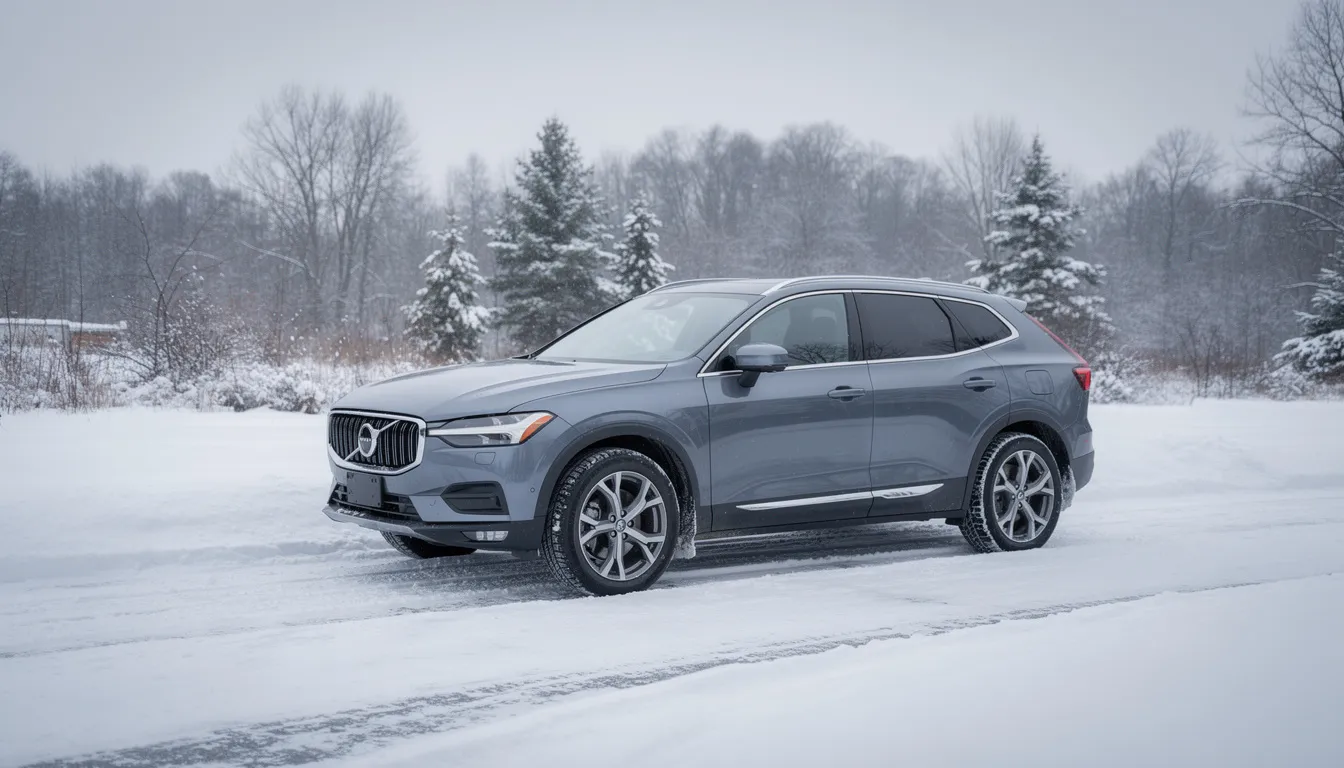
Mechanical soundness and visible winter readiness can shave days or weeks off your time-to-sale. Buyers shopping in freezing temperatures have specific anxieties: Will this car start reliably? Will it handle snow? Is the battery going to die in February?
Address these concerns before listing with these preparation steps:
Essential Mechanical Checks:
Winter Tire Considerations:
Key Winter Features to Test:
Gather your maintenance records, any recent safety inspection documentation, and repair invoices from the last 12 months. This paper trail builds trust with potential buyers who want reassurance the vehicle has been properly maintained.
Before setting your asking price, consider getting a benchmark value from a reputable Canadian buyer. Purr’s free appraisal tool can give you a quick comparison point without any obligation, helping you understand where your vehicle stands in the current market.
A clean car stands out dramatically during slushy, grey January days in cities like Calgary or Toronto. While perfect detailing is harder in winter conditions, the effort pays off by signaling to buyers that you’ve taken care of the vehicle.
Exterior Cleaning Strategy:
Choose a day above -5°C for a thorough wash, focusing on:
After washing, apply silicone or rubber protectant to door seals. This prevents doors from freezing shut between buyer visits—nothing kills a showing faster than a door that won’t open.
Interior Detailing Tips:
| Area | Action | Why It Matters |
|---|---|---|
| Carpets & Mats | Vacuum sand and road salt; use plain, clean floor mats | Dirty floors signal neglect |
| Dashboard | Wipe with neutral, mild cleaner | Avoid strong perfumes that seem like cover-ups |
| Seats | Remove debris, light cleaning | Buyers test heated seats—they should look inviting |
| Cargo Area | Declutter completely | Shows full usable space |
| Windows & Mirrors | Clean inside and out for fog-free clarity | Improves test drive safety and professionalism |
Remove personal items, old parking passes, and clutter from the cabin. A neutral, clean interior lets buyers imagine their own life with the vehicle. When windows and mirrors are clear and fog-free, test drives feel safer and more professional—helping your car purr along smoothly in the eyes of careful buyers.
Winter photos can look clean and trustworthy with proper planning. The key is avoiding gloomy, grey scenes that make your vehicle—and the buying experience—feel depressing.
Timing and Lighting:
Shoot mid-morning or early afternoon on bright overcast days. Fresh white snow acts like a natural light reflector, creating soft, even illumination without harsh shadows. Avoid shooting during active snowfall or on grey, slushy afternoons.
Location Selection:
Park the car on plowed, clean pavement with light snow visible in the background. Avoid:
Must-Have Photo List:
Keep images simple and plain—no garish filters or text overlays. Close-up photos that honestly show tread depth, interior condition, and any visible underbody areas build trust with buyers reviewing listings online.
Before photographing, completely clear snow from the roof, hood, trunk, and all lights. Buyers want to properly inspect paint and body condition; a snow-covered car suggests you’re hiding something or simply don’t care enough to prepare.

Accurate pricing matters more in winter when casual traffic is low and buyers compare multiple listings carefully online. Overpricing by even a few hundred dollars can leave your vehicle sitting for weeks while better-priced alternatives sell.
Research Current Market Values:
Check recent Canadian private-sale prices and dealer trade-in ranges for vehicles matching your year, trim, mileage, and winter equipment. For example, a 2017 Honda CR-V EX AWD with winter tires in Ontario will have different comparable sales than a 2017 Civic sedan.
Sources to check:
Quick Sale Pricing Strategy:
If your goal is selling within 1-2 weeks, price slightly below the mid-range of comparable ads. This is especially important during post-holiday January when buyers have tight budgets and more leverage.
Highlight Added Value Clearly:
In your listing, call out winter-specific value items:
Be Transparent About Issues:
Disclose any rust spots, windshield chips, or warning lights honestly. Factor the cost of needed repairs into your asking price. Buyers who discover hidden problems during inspection lose trust immediately—and they’ll likely walk away or make insulting offers.
Some sellers prefer to skip the negotiation dance entirely. If you want to compare your target price to what a professional buyer would offer, companies like Purr provide smooth, same-day sale options without repeated showings in the cold.
A detailed, honest description saves time by attracting only serious, winter-focused buyers. Vague listings generate inquiries from people who then waste your time with basic questions or lose interest when details emerge.
Template Structure for Your Listing:
| Element | Example |
|---|---|
| Year, Make, Model, Trim | 2019 Toyota RAV4 XLE |
| Drivetrain | All wheel drive (AWD) |
| Transmission | 8-speed automatic |
| Current Kilometers | 78,500 km |
| Location | Ottawa, Ontario |
Winter-Specific Details to Include:
Trust-Building Information:
Keep the tone straightforward and calm. Avoid hype words like “MINT!!!” or “MUST SEE!!!” that make buyers suspicious. Instead, make it clear the vehicle is ready to purr through the rest of the winter without requiring immediate additional investment from the new owner.
Add a note about flexible viewing times. With early sunsets during the winter months, offer early morning or early evening showings at well-lit, public locations. This accommodates buyers with work schedules and shows you’re motivated to make the sale happen.
Balancing safety, comfort, and security during winter showings requires extra planning. Meeting strangers in storms, snow squalls, or icy evenings adds risk that doesn’t exist during summer sales.
Before the Buyer Arrives:
Warming the car demonstrates that winter features work properly. However, don’t overdo it to the point of masking mechanical issues—the engine should be warm, not hot enough to hide unusual noises.
Planning the Test Drive Route:
Choose a route that safely demonstrates winter capability:
Stay safe by going along on the test drive yourself. This protects both you and the vehicle while giving you the opportunity to highlight features during the drive.
Documentation to Bring:
Having everything ready prevents repeat trips in bad weather. Let a friend or family member know your exact meeting time, location, and the buyer’s contact information. Keep fuel at a reasonable level—enough for the test drive but not so full that theft becomes tempting.
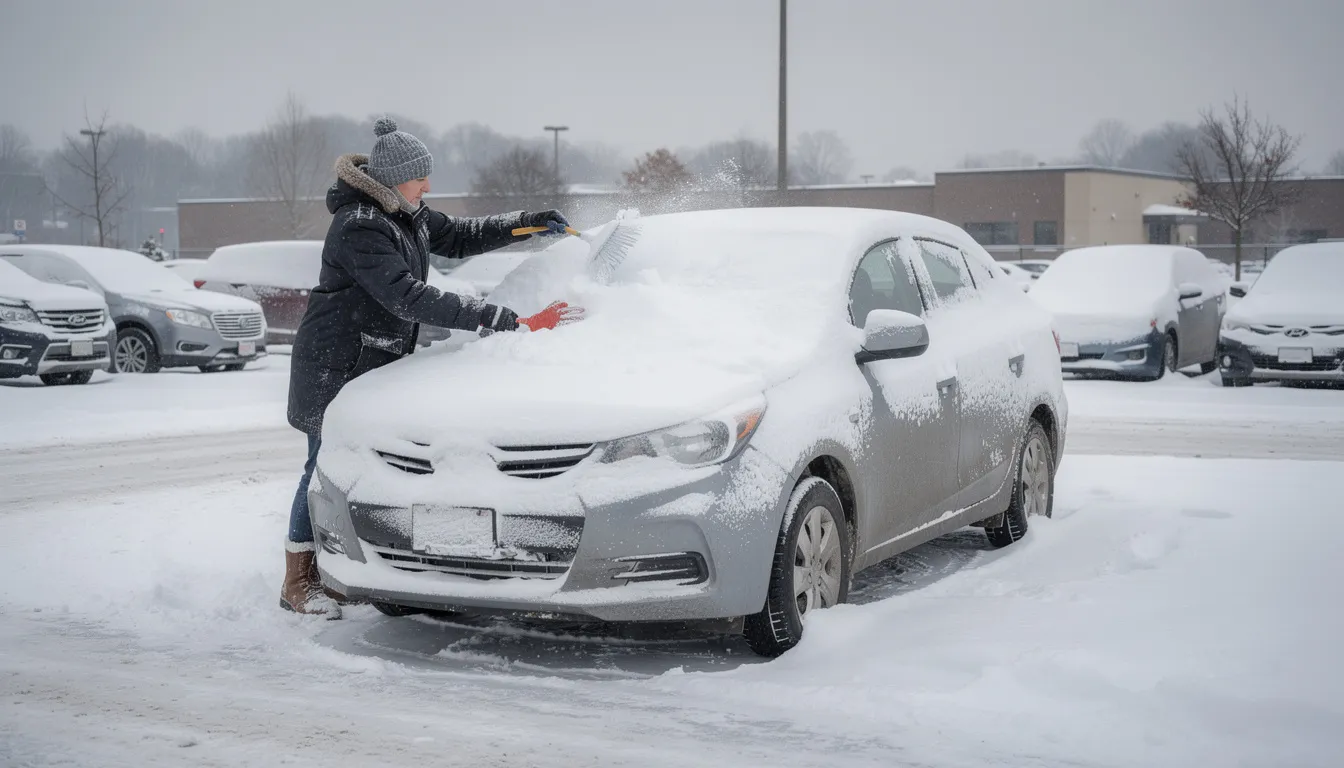
Mid-winter private sales can move slowly in some regions, and certain situations make a quick, low-hassle option more attractive than holding out for top dollar.
Scenarios Where Professional Buyers Make Sense:
Professional buyers often handle paperwork, plate transfer guidance, and payout logistics—especially appealing when you’re dealing with a blizzard-filled week and don’t want to stand outside answering questions about the transmission.
Online tools allow you to receive offers without scheduling multiple in-person showings. Companies like Purr in Canada provide online evaluations that let you explore your options from the warmth of your home.
Trade-Offs to Consider:
| Factor | Private Sale | Professional Buyer |
|---|---|---|
| Price | Potentially highest | Slightly lower |
| Time to Sale | Days to weeks | Often same-day or within days |
| Effort Required | High (cleaning, showings, negotiation) | Low |
| Winter Hassle | Multiple outdoor meetings | Minimal |
| Risk of No-Shows | Common in bad weather | None |
The money difference between a top private sale and a professional buyer offer often ranges from 5-15%. For many sellers, the convenience and certainty outweigh that gap, especially in freezing temperatures.
If you’re planning to replace your vehicle, Purr also offers cars for purchase that are already inspected and winter-checked—potentially simplifying your entire transition.
What’s the best month to sell a car in snowy Canadian regions?
Each month has different buyer profiles. December brings year-end bonus money but competes with holiday spending. January sees motivated buyers who had vehicles fail over the holidays or during early winter storms—they need transportation now and are often ready to move quickly. Early March can catch buyers preparing for spring who want to lock in a good deal before demand increases. If you need a quick sale, January through early February often yields serious, decisive buyers despite the cold.
Should I include both winter and all-season tires in the sale?
Including both sets significantly increases your vehicle’s appeal and can justify a higher asking price. Buyers know that a quality set of winter tires on rims can cost $800-$1,500+ to purchase separately. If you include both, highlight this prominently in your listing. If you want to keep one set for your next vehicle, adjust your price accordingly and be transparent about what’s included.
How do snow and minor winter cosmetic issues affect value?
Small rust spots, stone chips from winter road conditions, and minor scratches are expected on Canadian vehicles with winter exposure. Most buyers factor these into their expectations. However, significant rust on structural components (frame rails, rocker panels, wheel wells) will substantially reduce value and may raise safety concerns. For small cosmetic issues, be transparent in your listing and price accordingly rather than spending money on repairs that won’t return their full cost.
What legal and tax considerations apply when selling privately in Canada?
You’ll need a signed bill of sale documenting the transaction, and provincial rules vary for registration transfer. In Ontario, you must provide a Used Vehicle Information Package. Most provinces require the seller to remove plates and return them or transfer them. Notify your insurance company on the day of sale to avoid liability. There’s no sales tax on private vehicle sales collected by the seller, but the buyer typically pays provincial tax upon registration based on the purchase price or fair market value.
What should I do if my car doesn’t sell after a few weeks in winter?
If your listing isn’t generating interest, consider a small price reduction (5-10%) to refresh visibility on platforms that prioritize recently-updated listings. Take new photos on a brighter day if your originals look grey and uninviting. Review your description for missed details or unclear language. If private selling continues to feel like a challenge, getting a professional offer from a buyer like Purr provides a guaranteed path forward without waiting for spring market conditions.


