


April 22, 2024

For Canadian car owners, late winter isn’t just the tail end of snow and slush—it’s the most strategic time to wash your car. Between late February and late March, a single focused afternoon of proper car care can set your vehicle up for protection that lasts through spring, summer, and fall.
Late February through March marks the perfect “reset” window in Canada. This is when freeze-thaw cycles peak, road salt accumulation is at its maximum, and your fall-applied wax or sealant has degraded by 70–90%. Unlike routine winter washes focused on quick surface cleaning, this ritual is a deep de-salting and re-protecting session.
The late-winter car wash removes months of salt, brine, and sand deposited by Canadian roads—particularly heavy in Ontario, Quebec, Alberta, and the Prairies, where over 5 million tonnes of salt are applied annually.
Three big outcomes:
Quick action items:
During the winter months in Canada, your car in winter faces relentless assault. Freeze-thaw cycles in cities like Toronto, Calgary, Montreal, and Edmonton cause temperatures to fluctuate 10–20°C daily, pushing salty slush into seams, rockers, and underbody areas where it stays wet and corrosive.
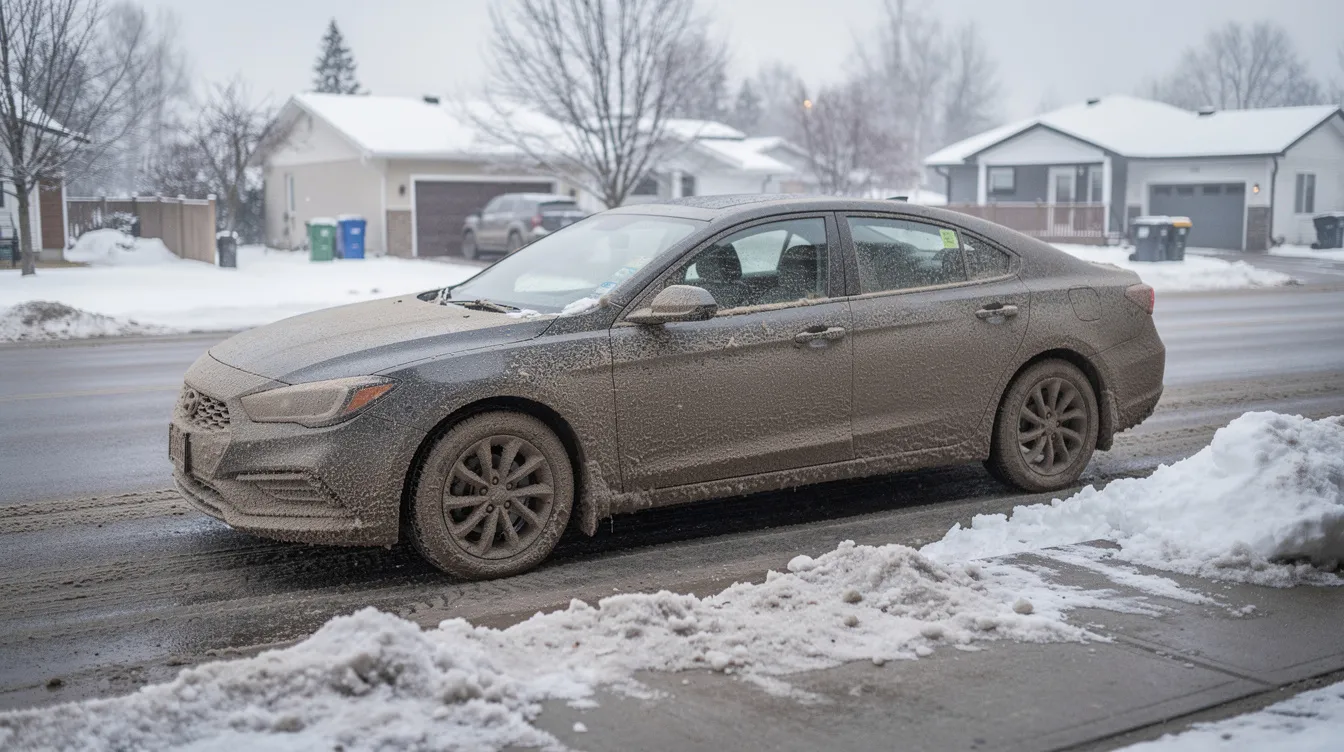
Why this window matters:
A clean car with documented maintenance can fetch 5–10% higher trade-in values. When you’re ready to upgrade, having a rust-free underbody and glossy finish makes a real difference in how your vehicle is appraised.
Timing is critical in Canadian climates. Washing when temperatures drop below freezing can leave you with frozen doors, locks, and ineffective products.
Avoid washing when cold weather threatens overnight refreezing. A touchless car wash can work as a quick rinse, but nothing replaces hands-on care for this annual ritual.
Road salt is your car’s biggest enemy, and it does its worst damage underneath where you can’t see it. Undercarriage cleaning gets priority in this ritual.
How to approach it:
This single step reduces rust risk by 60–70%. It’s about volume of water and time—not soap. Repeat after the main wash if you’ve driven extensively on winter roads. This is the most effective rust prevention move for any Canadian vehicle.
Late-winter paint carries bonded contaminants: salt film, brake dust, de-icer residue, and road grime. You need to safely wash without marring the car’s surface.
Never use hot water (temperature shock), stiff brushes, or household cleaners. These wreak havoc on your car’s paint and strip protective coatings faster than intended. A thorough wash here sets the foundation for everything that follows.
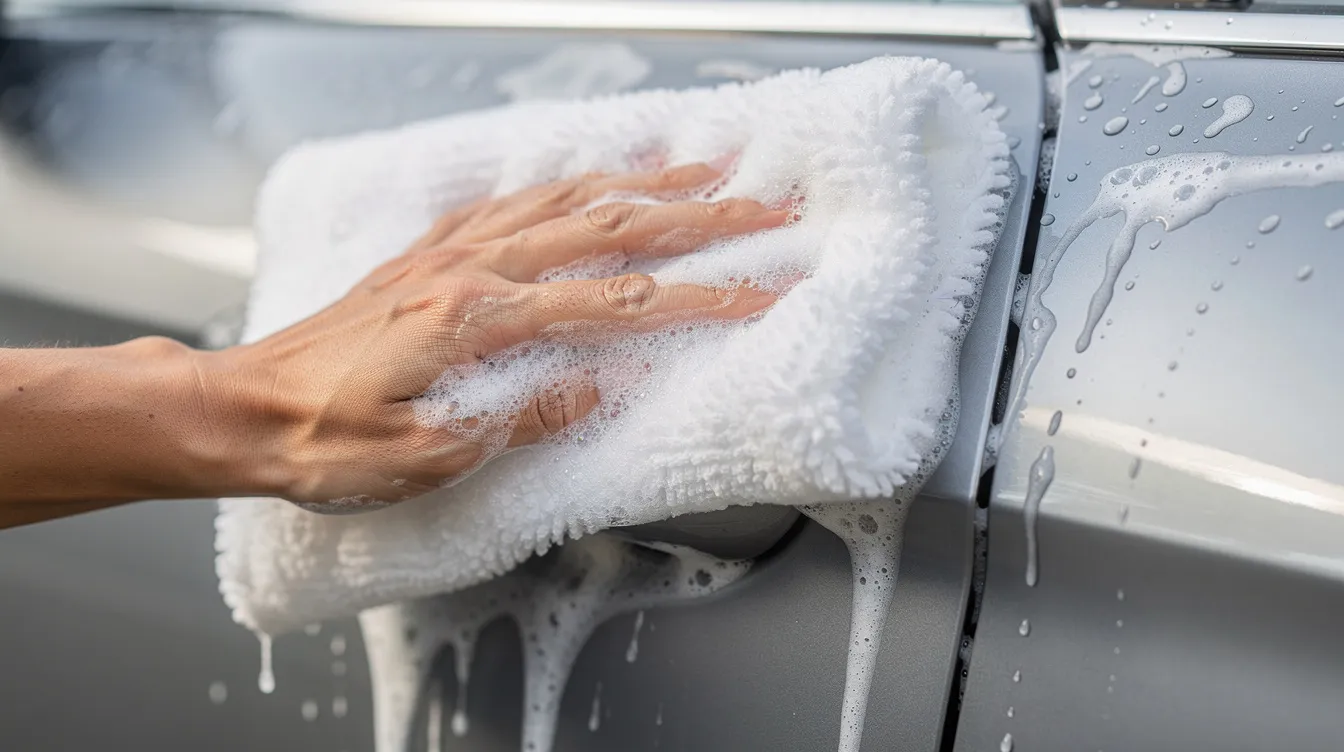
This step separates the late-winter ritual from regular washes. You’re removing what’s bonded to the paint and wheels since November.
This decontamination enables new sealants and protective coatings to bond properly, delivering long term protection through the coming seasons.
Proper drying prevents frozen doors, locks, and trunk latches when cold temperatures return overnight.
Drying sequence:
Use large, plush microfiber towels (800–1200 GSM) and a small electric blower to push water from mirrors, emblems, and seams. Open and close doors and trunk after drying to break any water bridges that might prevent freezing.
Leave no standing water before moving to protection. This step helps avoid freezing issues and keeps your vehicle clean longer.
The real value of the late-winter ritual is rebuilding your protective barrier for the coming 12 months.
Protection options: | Type | Durability | Best For | |——|———–|———-| | Synthetic sealant | 3–6 months | Quick application, solid protection | | Carnauba/winter wax | 1–3 months | Enthusiast-level car’s shine | | Ceramic/graphene topper | 9–24 months | Long lasting protection |
Apply protection in thin layers, one panel at a time. Focus on high-impact areas: front bumper, hood edge, rockers, and rear hatch. A spray wax can provide extra protection between major applications.
Paint protection film on high-chip areas adds another level of defense. Well-documented protection—photos, receipts, product names—can support stronger offers when you’re ready to sell your vehicle.
Canadian winter protects nothing below your fenders. Wheels and underbody components take the brunt of salt and snow exposure.
This is an annual or biennial step—not needed with every wash. Prairie and highway drivers report 3-year delays in frame corrosion when this is done consistently.
A clean car exterior deserves a matching interior. During slushy March conditions, salt tracked inside breeds odors and stains.
Keep your washer fluid topped up for ongoing visibility. A clean, odor-free interior is as influential as shiny paint when buyers assess your vehicle’s value—whether you’re listing privately or getting a Purr appraisal.
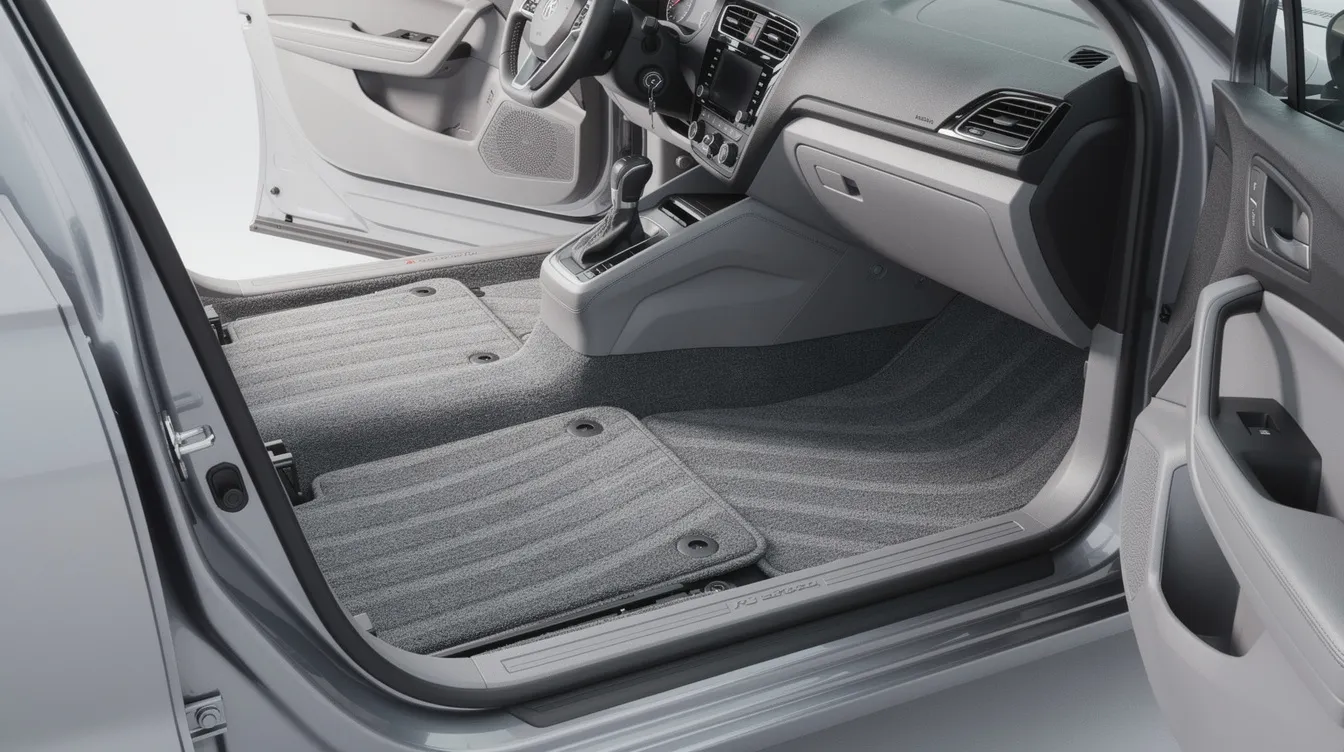
This deep ritual differs from routine winter washes every 1–2 weeks that simply keep your vehicle clean of surface grime.
Avoid washing during active storms—wait for a few months of buildup to clear before this reset. A documented maintenance history supports stronger trade-in conversations and helps you stay ahead when upgrading.
Many Canadians skip late-winter care because of outdated myths from older paint systems.
| Myth | Truth |
|---|---|
| Washing in cold “shocks” paint | Modern 2K urethane clear coats handle -20–40°C swings without issue |
| Pointless before last snow | Removing salt now slows corrosion 60%, even if another storm hits |
| Rust means care is wasted | Late-winter care slows progression and protects remaining sound metal |
| Products “dry out” paint in cold | pH-balanced modern products work safely in Canadian conditions |
Think of this ritual as paint protection, not cosmetic indulgence. The investment yields $500–2000 in resale value uplift according to automotive appraisers. Stay warm while working, but don’t let freezing temperatures scare you from winter protection that keeps your car’s exterior in top shape.
Your car looks its best immediately after the ritual—making this the ideal time to inspect for harsh elements damage.
This documentation becomes a game changer if you’re considering selling within the year. Gather service records and consider a no-obligation appraisal to understand your vehicle’s market position. A hydrophobic barrier that causes water to repel water and bead properly tells buyers the car was cared for.
One focused afternoon in late winter can melt ice damage concerns, prevent costly repairs, and support long-term resale value for Canadian vehicles. The ritual is a system: smart timing, deep de-salting, proper decontamination, careful drying, and strong protection all working together.
Treat this as a non-negotiable annual habit—like swapping winter tires or booking inspections. A clean car with documented care is easier to love driving and easier to present confidently when you’re ready to buy your next vehicle or upgrade. Your future self—and your wallet—will thank you.


