


April 22, 2024

As the snow melts and temperatures climb, Canadian drivers face an annual decision: when exactly should you switch your winter tires for spring and summer driving? The short answer is when daily temperatures consistently stay above 7°C for about a week—typically late March through late April depending on your region.
Getting this timing right protects your investment, keeps you safer, and saves money at the pump.
Winter tires are specifically engineered for Canadian cold weather. Their softer rubber compound, aggressive tread patterns, and deep grooves with fine siping create superior grip on snow and icy roads. However, that same design becomes a liability once warm temperatures arrive.
Above roughly 7°C, the soft winter rubber compound begins to behave differently. Instead of gripping effectively, it becomes too pliable on dry pavement and warm, wet roads. This leads to:
The math is straightforward. If you leave winter tires on through two or three extra warm months each year, you can turn a set that should last 4-5 winter seasons into one that needs replacement after just 2-3 seasons. That’s an expensive habit.
Quick comparison for warm-weather performance (+10°C to +25°C):
| Tire Type | Dry Grip | Wet Grip | Wear Rate | Fuel Efficiency |
|---|---|---|---|---|
| Winter | Poor | Poor-Moderate | Very High | Reduced 5-10% |
| All Season | Good | Good | Normal | Baseline |
| Summer | Excellent | Excellent | Low | Best |
For Canadian drivers commuting on the 401 through Toronto, navigating Calgary’s ring road, or cruising Vancouver’s highways, switching to proper season tires improves both safety and comfort significantly once winter conditions end.
The “reverse 7°C rule” provides your clearest guidance. During the fall, you install winter tires when temperatures drop below 7°C consistently. In spring, you reverse the process—when average daily temperatures stay above 7°C for about a week, it’s time to switch.
The key is watching the forecast over 7-10 days, not just reacting to one warm afternoon. A random 15°C day in early March doesn’t mean spring has arrived in most of Canada.
Regional timing guidelines:
The safest approach is waiting until both daytime highs and overnight lows mostly remain above freezing, with minimal risk of sustained snow or ice in the 7-day forecast.
Switching a week late is generally safer than switching a week early in regions with unpredictable springs. However, waiting months late becomes expensive in faster tread wear and reduced fuel economy.
A practical tip: set a reminder in March to book your spring changeover appointment for your target date range. Just like you might set a reminder to check in with Purr for a free home appraisal, planning ahead avoids the spring rush and ensures you’re ready when conditions are right.
While this isn’t a deep legal analysis, Canadian drivers should be aware of key provincial guidelines affecting spring tire removal.
Quebec: Winter tires are mandatory until March 15. Most drivers should wait at least until mid-March, then follow the 7°C guideline for their specific area. Switching before March 15 can result in fines between $100-$500.
British Columbia: Designated mountain and highway routes require winter or M+S tires, often until March 31 or April 30 depending on the route. If you use highways like the Coquihalla, respect posted end dates before swapping.
Other provinces (Ontario, Alberta, Saskatchewan, Manitoba, Atlantic): Winter tires are recommended but not mandatory. Weather and temperature become your primary guides for timing.
Studded tires: Rules vary depending on the province, with studs typically requiring removal by a set spring date to prevent road damage. Check your provincial transport website if you use studded winter tires.

Once snow and slush are mostly gone, you have three main options for warm months: all season tires, all weather tires, or summer tires. Your driving needs and local conditions determine the best choice.
All season tires are the default choice for many drivers across Canada. They perform well from roughly +7°C to +30°C, offering balanced grip on dry and wet roads with reasonable fuel efficiency. However, they’re not ideal below freezing and don’t carry severe winter ratings.
All weather tires represent a newer category—a hybrid option carrying the Three-Peak Mountain Snowflake symbol. This means they can legally serve as true winter tires in Quebec and on BC mountain routes while still handling decently in summer. They’re useful in areas like Metro Vancouver or Vancouver Island with mild winters, though they underperform dedicated set options at temperature extremes.
Summer tires (sometimes called performance tires) deliver the best dry and wet grip with shorter stopping distances and responsive steering in warm weather. They’re excellent for drivers who prioritize handling or own performance vehicles. However, they become unsafe in cold snaps or light snow—the rubber compound hardens and loses grip rapidly below 7°C.
Practical scenarios to consider:
Understanding what’s on your tire sidewall helps you make informed decisions and ensures you’re buying appropriate replacements.
The Three-Peak Mountain Snowflake (3PMSF) symbol certifies that a tire meets Canadian standards for true winter tires or all weather performance in severe snow conditions. If you see this symbol, the tire is legally accepted for winter use in Quebec and on BC mountain routes.
The M+S (Mud and Snow) marking alone is not a true winter rating, though it may be legally accepted on some BC routes until end-of-season dates. It indicates some capability in light mud and snow but doesn’t guarantee cold-weather grip.
Your tire sidewall also shows:
Just like choosing the right neighbourhood and home size benefits from professional guidance when working with Purr, choosing the right tire specifications benefits from expert advice—especially for heavier vehicles like EVs and SUVs where incorrect ratings can affect safety.
“I’ll just run them for a bit longer” is a phrase that quietly becomes a costly habit for many drivers. Here’s what actually happens when you delay your spring tire change.
Accelerated wear: Winter tires on hot pavement can wear at 1.5-2x their normal rate. Two to three extra warm months can reduce usable tire life by one full season. If a quality winter tire set costs $800-$1,200, you might spend that money a year or two sooner than necessary.
Reduced fuel economy: Soft winter compounds increase rolling resistance by 10-20% on warm roads. This typically adds 5-10% to your fuel costs. For drivers covering 20,000 km annually, that could mean $150-$300 in extra fuel or electricity costs.
Compromised handling and safety: Braking distance increases on wet roads. Cornering feels mushy and imprecise. Road noise increases significantly due to aggressive tread patterns. In extreme cases, heat buildup can damage the tire structure or even cause blowouts.
Think of tire life like home maintenance. Small seasonal actions—like switching tires on time or performing spring home checks—protect larger long-term investments. Neglecting them compounds problems and costs over time.
Canadian spring roads present specific challenges that affect tire performance.
Pothole damage: Freeze-thaw cycles create massive potholes across cities like Halifax, Winnipeg, Montreal, and Calgary each spring. Soft winter tires can mask early alignment issues caused by pothole impacts. By the time you notice uneven wear or pulling, the damage may be severe enough to require costly repairs beyond just an alignment.
Hydroplaning risk: Wet spring roads and sudden downpours make hydroplaning a real concern. Worn winter tires with reduced tread depth are particularly poor at channeling standing water compared with fresh all season or summer treads with deep grooves designed for water evacuation.
Highway heat buildup: Longer commutes on warm highways—the 401 corridor through southern Ontario or BC’s Lower Mainland routes—generate significant heat in soft winter rubber. This stresses the tire carcass and can compound any existing damage from winter impacts.
Consider scheduling an alignment check at your spring changeover. It’s similar to how homeowners might book a spring inspection before listing a property with Purr—addressing small issues before they become expensive problems.
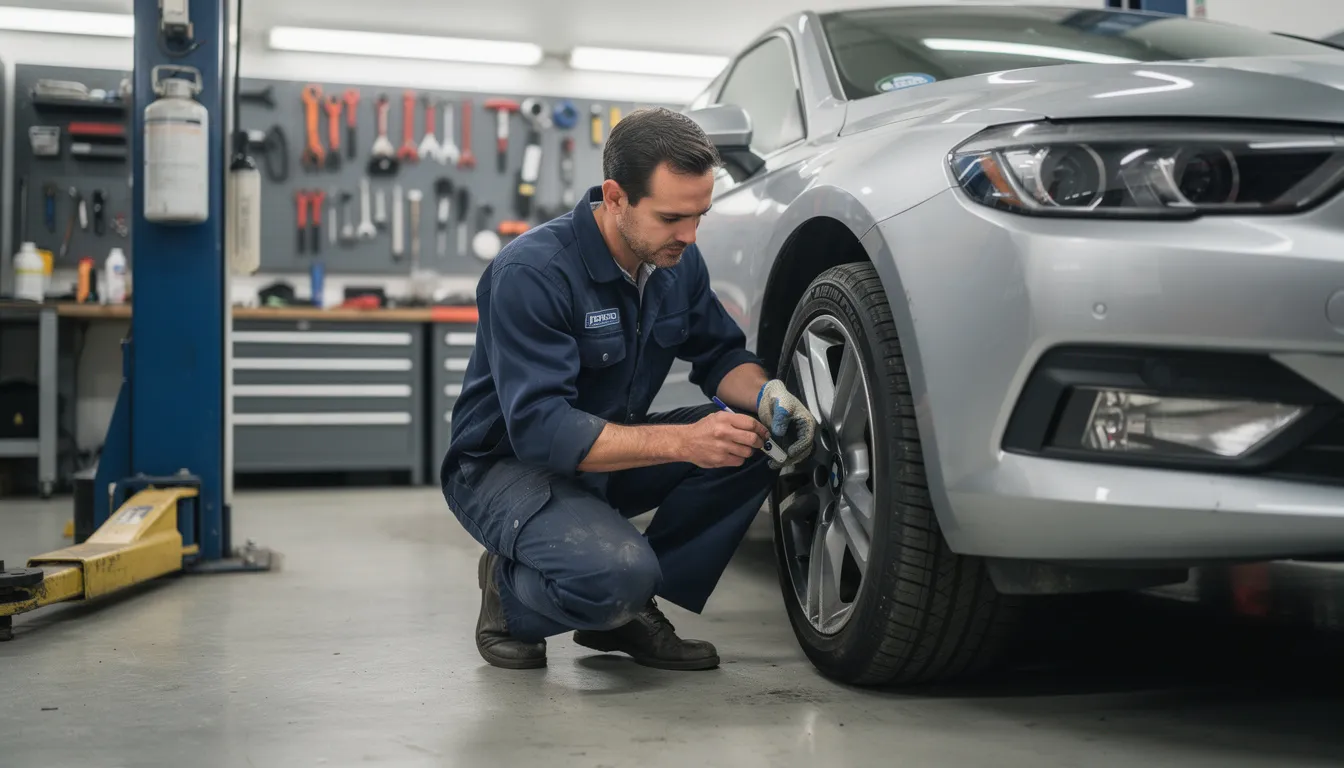
Whether you’re at a shop or handling a tire changeover at home with pre-mounted wheels, use this checklist to ensure everything is done properly.
Inspecting winter tires coming off:
Inspecting spring/summer tires going on:
Critical safety step: Torque lug nuts to manufacturer specifications and recheck after 50-100 km of driving. This is especially important if mounting tires at home in your driveway or condo parkade.
Spring changeover is also smart timing to inspect brakes and suspension components. Just as a home buyer working with Purr looks beyond paint to check structure and systems, a thorough vehicle inspection catches issues before they become road hazards.
Some Canadians swap wheels at home while others prefer professional service. Each approach has merit.
DIY changeover works well if:
Even DIY enthusiasts should consider a professional alignment check each spring to address winter pothole damage.
Professional service benefits:
Typical Canadian costs:
| Service | Approximate Cost |
|---|---|
| Wheel swap (tires pre-mounted on rims) | $40-$80 |
| Mount and balance | $80-$150 |
| Alignment check | $50-$100 |
| Seasonal storage | $80-$150/season |
These costs are similar to a modest monthly home utility bill—a reasonable investment in safety and tire longevity.
Book early at reputable local shops before peak spring rush. Just like scheduling key appointments when preparing to buy or sell with Purr, advance planning avoids delays and ensures you get service when you need it.
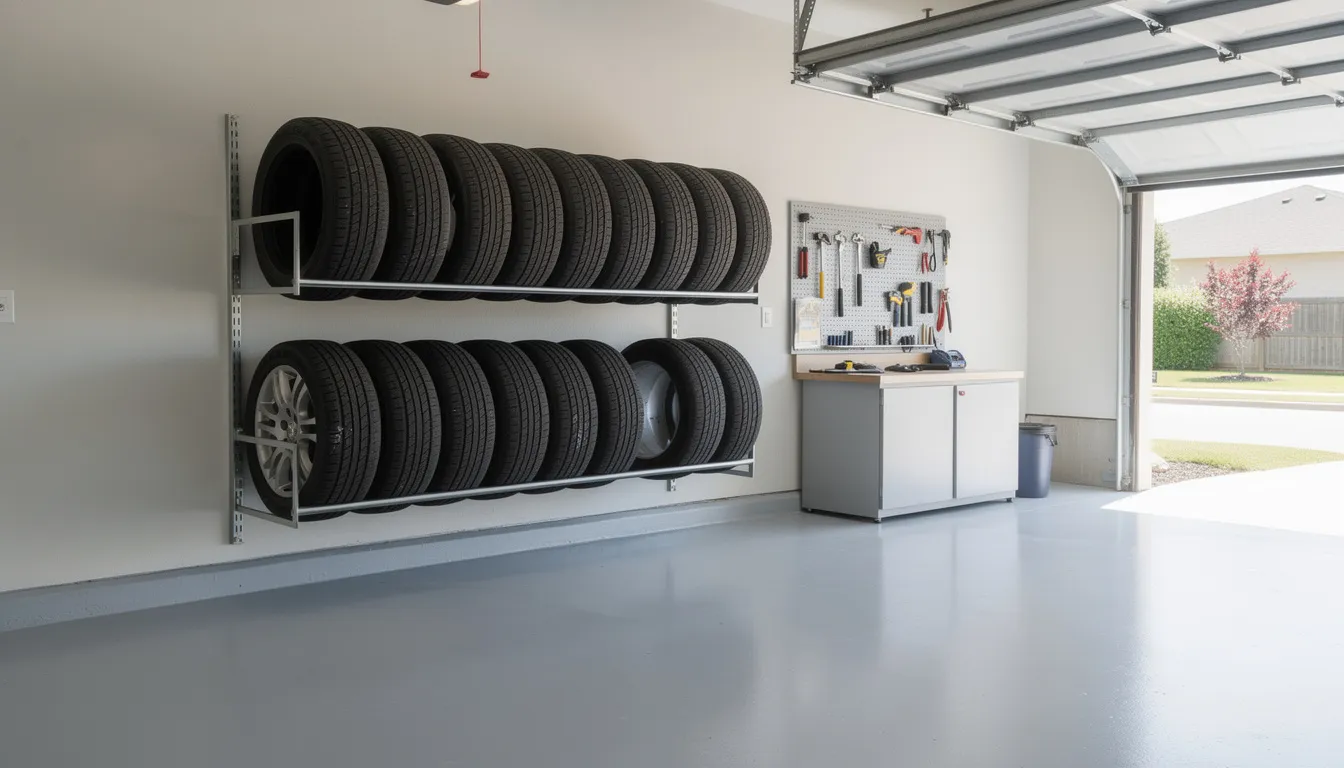
Proper storage from April through October can add years of life to winter tires, protecting the money you’ve already invested.
Cleaning steps before storage:
Ideal storage conditions:
Storage positioning:
Proper tire care is like protecting moving boxes when staging a home for sale—attention to detail preserves value.
Many Canadian drivers, especially those in condos or townhomes in Vancouver, Toronto, or Montreal, simply don’t have storage space for a set of winter tires.
Seasonal storage services offered by tire shops and dealerships typically include:
Costs typically range from $80-$150 per season depending on location and services included.
Compare convenience against cost. No lifting, hauling, or clutter in small homes—similar to weighing condo amenities when working with Purr to find the right property.
Proper labeling of each tire’s previous position helps shops rotate sets effectively next season for even wear. Treat stored tires as a long-term asset supporting safe winter driving rather than just bulky rubber taking up valuable square footage.
Spring tire changeover fits naturally into broader seasonal planning. View it as preparation for cottage trips, camping adventures, and exploring new Canadian neighbourhoods.
Time your changeover strategically:
If you’re planning spring or summer trips to scout new areas—perhaps exploring neighbourhoods with Purr before making a move—having the right tires installed ensures safe, comfortable travel.
Spring vehicle maintenance checklist:
Also consider checking manufacturer guidelines around tire types and seasons. Some warranties may have specific recommendations.
Proactive planning—whether for tires or real estate decisions with Purr—creates a smoother, more predictable spring with fewer last-minute scrambles.
While it’s usually legal in most provinces outside specific mandatory winter tire periods, running winter tires through summer is financially and mechanically unwise. Winter tires can wear out an entire extra season’s tread in just one warm summer, often losing usable life 15-30% faster per kilometer in temperatures above 10°C.
You’ll likely notice heavier fuel consumption, vague steering, increased road noise, and poorer wet braking compared with proper all season or summer tires. For most Canadians, swapping by late April or early May at the latest offers the best balance of safety and cost.
Watch the 7-10 day forecast before booking your spring changeover. One light snowfall on above-freezing roads is different from a sustained multi-day cold snap with accumulating ice.
If a brief late storm arrives after your all season set is already installed, drive more cautiously, leave extra following distance, and avoid unnecessary trips until roads clear. In regions with very unpredictable springs (parts of Alberta, northern Ontario), all weather tires can be a good compromise to avoid the anxiety of switching back and forth.
Check tread depth using a gauge or the built-in wear bars. For adequate winter performance, you want at least 4-5 mm of remaining tread. Once wear bars become level with tread blocks, the tire has reached minimum safe depth.
Also inspect for uneven wear, sidewall cracks, bulges, or embedded objects. Check the DOT date code on the sidewall—many shops recommend replacing tires around 6-8 years from manufacture even if tread remains.
Having a technician inspect during spring changeover provides peace of mind, similar to how a professional home inspection offers confidence before listing or buying with Purr.
Many EVs benefit from specific tire considerations due to their weight and instant torque delivery. Low rolling-resistance tires help maximize range, while appropriate load and speed ratings handle the heavier vehicle mass safely.
Spring and summer tires for EVs should balance grip, efficiency, and noise comfort—especially important for highway commuting between Canadian cities where road noise becomes more noticeable in quiet electric cabins.
Consult your owner’s manual or a trusted tire specialist to select EV-appropriate all season or summer tires that meet your vehicle’s requirements without sacrificing range unnecessarily.
While outdoor storage under a cover is better than leaving tires fully exposed to sun and rain, it’s not ideal. Temperature swings between warm days and cool nights accelerate rubber degradation. UV light can penetrate many covers, and moisture can accumulate underneath.
Whenever possible, move tires indoors to a cool, dry, shaded location—a basement or interior storage space works well. If indoor space is genuinely limited, off-site storage with a reputable shop may be worth the cost, just as paying for extra storage or dedicated parking can be a smart choice in certain Canadian properties where space is at a premium.


