


April 22, 2024

The Canadian car market, valued at $60 billion annually, is experiencing a digital transformation that’s revolutionizing how consumers approach vehicle purchasing. The online car buying process has evolved from a risky proposition to a streamlined, secure alternative that can save Canadians significant time while providing access to broader inventory and competitive pricing. With the right knowledge and precautions, buying a car online offers convenience that traditional dealerships simply cannot match.

The shift toward online car shopping reflects broader e-commerce adoption trends, but purchasing a vehicle online requires specific safety protocols and due diligence that differ from other online purchases. Understanding these requirements and following proven safety measures can help Canadian consumers navigate the online car buying experience confidently while avoiding common pitfalls that catch unprepared buyers.
Safety represents the primary concern for most Canadians considering online car purchases, and rightfully so. The key to secure online car buying lies in using verified platforms and following systematic verification procedures that protect against fraud and misrepresentation.
Use only licensed and verified online platforms with Better Business Bureau (BBB) ratings and established track records in the Canadian market. Legitimate online retailers maintain proper business licenses, display contact information prominently, and provide customer service numbers staffed by real representatives. Before engaging with any platform, verify dealer licensing through provincial regulatory bodies, as each province maintains databases of authorized automotive dealers.
When evaluating online platforms, examine their customer review profiles across multiple review sites, not just testimonials on their own websites. Genuine platforms welcome scrutiny and maintain transparent business practices, while fraudulent operations typically lack verifiable business information or provide evasive responses to direct questions about licensing and credentials.
Request comprehensive vehicle history reports using CARFAX Canada or AutoCheck before considering any serious purchase. These vehicle history reports provide critical information about accident history, previous ownership, service records, and lien status that sellers might not voluntarily disclose. A clean history report doesn’t guarantee a perfect vehicle, but significant red flags in these reports should eliminate vehicles from consideration immediately.
Demand high-quality photos from multiple angles and virtual walkaround videos that show the vehicle’s actual condition. Professional sellers understand that comprehensive visual documentation builds buyer confidence, while sellers who provide limited or poor-quality images often have something to hide. Request specific photos of areas prone to damage, including wheel wells, door frames, and the undercarriage if possible.
Opt for trusted, secure payment options and steer clear of wire transfers or cash transactions when dealing with unfamiliar sellers — particularly for high-value purchases such as vehicles. Legitimate dealerships and platforms accept traditional financing, certified checks, or secure electronic payments through established financial institutions. Be particularly wary of sellers requesting immediate payment through untraceable methods or those pressuring quick decisions without adequate review time.
Check for encryption (https://) on all websites before entering personal information, and avoid providing Social Insurance Numbers or detailed financial information until you’ve verified the seller’s legitimacy and decided to proceed with a specific vehicle. Secure communication channels protect both your personal information and create documentation trails that prove useful if disputes arise later.
The time savings associated with online car shopping represent one of its most compelling advantages, allowing Canadians to accomplish in hours what traditionally required days or weeks of dealership visits.
Browse thousands of vehicles 24/7 without dealership hours restrictions, enabling car shopping around work schedules and family commitments. Traditional dealerships typically close evenings and weekends, forcing buyers to use vacation time or arrange special visits for vehicle shopping. Online platforms provide constant access to inventory, allowing thorough research during convenient times without pressure from sales staff.
Compare prices, features, and financing options from multiple sources in minutes rather than driving between multiple dealerships over several days. Online comparison tools aggregate information that would require hours of phone calls and visits to collect manually. This efficiency allows buyers to identify the best deals quickly and focus their time on vehicles that truly meet their criteria.

Skip high-pressure sales tactics and negotiate on your own timeline, avoiding the emotional pressure that dealership environments often create. Online platforms allow careful consideration of financing options, trade in value calculations, and total ownership costs without sales pressure. This measured approach typically results in better financial decisions and higher satisfaction with final purchases.
Complete financing applications and get pre-approval within 24 hours through online lenders and financial institutions. Getting pre approved before shopping provides clear budget parameters and strengthens negotiating positions. Many buyers discover they qualify for better interest rates through online lenders compared to dealership financing, resulting in substantial savings over loan terms.
Arrange contactless home delivery across all Canadian provinces, eliminating travel time to dealerships and allowing vehicle inspection in familiar surroundings. Delivery services have expanded significantly, with many platforms offering free delivery within certain radius zones around major cities. This service proves particularly valuable for buyers in rural areas or those with limited transportation options.
Access detailed vehicle specifications and reviews without multiple dealership visits, allowing informed decisions based on comprehensive information rather than sales presentations. Online platforms typically provide more detailed specifications than dealership visits, including fuel efficiency ratings, safety scores, and expert reviews that help buyers understand long-term ownership implications.
Understanding the landscape of legitimate online car buying platforms helps Canadian consumers identify reputable sources and avoid problematic sellers.
Clutch offers over 1,000 used vehicles with complete online purchasing processes and delivery services across Canada. This platform specializes in the end-to-end online car buying experience, handling everything from financing to delivery. Clutch vehicles undergo multi-point inspections and come with limited warranties, providing additional protection for buyers concerned about purchasing sight unseen.
CarEvo provides inspected vehicles with free delivery across Atlantic Canada and offers dedicated customer support. Their inspection process includes mechanical assessments and cosmetic evaluations, with detailed reports available to buyers before purchase. CarEvo’s focus on Atlantic Canada allows them to provide localized service and understanding of regional buying preferences.
Canada Drives connects pre-approved buyers with local dealerships nationwide, functioning as a intermediary that simplifies the financing process while maintaining relationships with established dealerships. This approach combines the convenience of online shopping with the security of dealership purchases, as buyers ultimately complete transactions with licensed dealers in their provinces.
AutoTrader represents Canada’s largest automotive marketplace, featuring both new and used cars from dealerships and private sellers across the country. The platform’s size provides extensive inventory options and price comparison capabilities, though buyers must evaluate individual sellers independently since AutoTrader functions as a listing service rather than a direct seller.
Kijiji Autos offers popular platform for both dealer and private seller listings, providing broad access to available inventory but requiring careful seller verification by buyers. The platform’s connection to Kijiji’s broader classified network means it attracts both professional dealers and private individuals selling vehicles.
CarGurus provides market analysis and fair deal ratings that help buyers identify genuinely competitive pricing versus overpriced listings. Their price analysis tools compare similar vehicles in similar conditions across different regions, helping buyers understand whether specific listings represent good value in current market conditions.
Following a systematic approach to online car buying helps ensure thorough evaluation while maintaining security throughout the purchasing process.
Calculate total budget including insurance, taxes, and registration fees before beginning vehicle searches. Many buyers focus exclusively on monthly payments without considering additional costs that can substantially increase total ownership expenses. Insurance premiums vary significantly between vehicle models, with some cars costing substantially more to insure despite similar purchase prices.
Get pre-approved for financing through banks or online lenders before falling in love with specific vehicles. Pre-approval provides clear budget boundaries and often reveals better interest rates than dealer financing options. Multiple lenders compete for qualified buyers, and shopping around for car loans can save thousands of dollars over loan terms.

Research vehicle models and read reviews from Canadian automotive publications that address performance in Canadian driving conditions. Climate, road conditions, and fuel costs in Canada differ from other markets, making Canada-specific reviews particularly valuable for long-term satisfaction.
Search multiple platforms using specific criteria filters to identify vehicles meeting your requirements efficiently. Most platforms allow filtering by price range, year, mileage, fuel efficiency, and specific features, enabling targeted searches that save time compared to browsing entire inventories.
Verify seller credentials and read customer reviews before initiating serious conversations about specific vehicles. Professional dealers maintain online presence with customer feedback, while legitimate private sellers provide verifiable contact information and welcome questions about vehicle history.
Request detailed vehicle information and schedule virtual inspections with sellers willing to provide comprehensive documentation. Sellers confident in their vehicles’ condition typically welcome detailed questions and provide thorough responses, while problematic sellers often become evasive when asked for specific information.
Negotiate price and terms through secure communication channels, maintaining documentation of all agreements and commitments. Written communication provides evidence of agreed terms and protects against misunderstandings during final transaction completion.
Finalize paperwork electronically when possible, but ensure all required provincial documentation is properly completed before taking delivery. Each province requires specific documentation for vehicle registration, and incomplete paperwork can delay legal ownership transfer and proper licensing.
Thorough verification procedures protect buyers from purchasing vehicles with hidden problems or questionable histories.
Obtain Vehicle Identification Number (VIN) and run CARFAX Canada reports that reveal critical information about accidents, flood damage, and ownership history. VIN verification confirms the vehicle’s identity matches advertised specifications and ensures the seller has legitimate ownership rights.
Check for accident history, flood damage, and previous ownership records that might indicate potential problems. Multiple previous owners, especially within short timeframes, often indicate ongoing problems that cause owners to sell vehicles quickly rather than invest in repairs.
Verify odometer readings and service history documentation to ensure mileage claims are accurate and the vehicle received proper maintenance. Consistent service records indicate responsible ownership, while gaps in maintenance suggest potential deferred repairs that could result in expensive problems.
Confirm clear title status and lien information to ensure the seller has legal right to transfer ownership. Outstanding liens or unclear title status can prevent legal ownership transfer and create serious legal complications for buyers.
Request high-resolution photos of exterior, interior, and engine bay that show the vehicle’s actual condition rather than marketing-quality images that might hide defects. Professional photography often minimizes visible flaws, while honest documentation reveals the vehicle’s true condition.
Ask for videos showing the vehicle running and all electronic features functioning properly. Cold starts, smooth idling, and proper operation of lights, air conditioning, and other systems provide evidence of mechanical condition that static photos cannot convey.
Schedule live video calls for real-time vehicle inspection when possible, allowing buyers to direct sellers to show specific areas of concern or ask questions about visible conditions. Interactive virtual tours provide more comprehensive assessment than pre-recorded materials.
Verify all advertised features and options are present and functioning as described, as missing or non-functional features represent grounds for price negotiation or transaction cancellation.
Secure financing represents a critical component of safe online car purchases, requiring careful evaluation of lenders and loan terms.
Compare interest rates from multiple Canadian lenders including banks, credit unions, and online financing companies. Interest rate differences of even 1-2% result in substantial savings over typical car loan terms, making comparison shopping financially rewarding.
Use secure financing platforms that encrypt personal financial information and maintain proper security protocols. Legitimate lenders implement robust security measures and never request sensitive information through unsecured communication channels.
Avoid upfront fees or requests for Social Insurance Numbers before formal financing approval, as legitimate lenders complete preliminary assessments without requiring detailed personal information. Scam operations often request sensitive information early in conversations to facilitate identity theft.
Understand return policies and cooling-off periods before signing contracts, as these protections vary significantly between sellers and provinces. Some sellers offer limited return windows while others provide no return options once sales complete.
Keep copies of all financing documents and payment confirmations for future reference and dispute resolution if problems arise. Documentation proves payment completion and contract terms if disagreements develop later.
Verify delivery terms and insurance requirements before final payment to ensure proper coordination between financing completion and vehicle delivery. Insurance coverage must be in place before taking delivery, and delays can create complications if not properly planned.
Recognizing warning signs helps Canadian buyers avoid fraudulent sellers and problematic transactions before investing time or money.
Prices significantly below market value without reasonable explanation often indicate stolen vehicles, hidden damage, or fraudulent listings designed to attract buyers for advance fee scams. Legitimate sellers price vehicles competitively but realistically based on current market conditions.
Sellers refusing to provide VIN numbers or vehicle history reports typically have something to hide, whether accident damage, lien complications, or worse. Legitimate sellers understand that transparency builds buyer confidence and readily provide verification information.
Requests for immediate payment or wire transfers before vehicle inspection represent classic fraud indicators. Legitimate sellers understand that significant purchases require buyer verification and accept standard payment methods through established financial institutions.
Unlicensed sellers or platforms without proper contact information often operate fraudulent schemes designed to collect money without delivering vehicles. Professional sellers maintain verifiable business information and welcome buyer verification of their credentials.
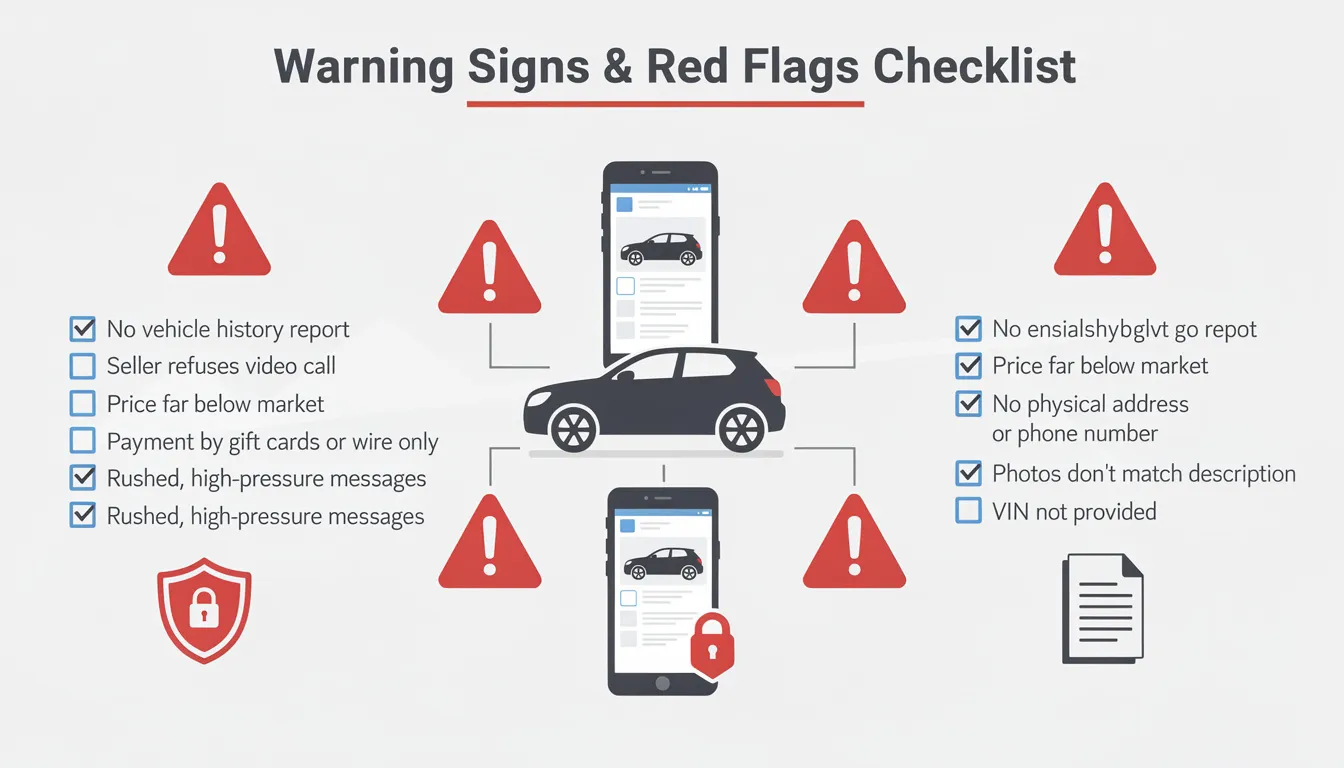
Poor quality or limited photos with excuses for not showing certain angles suggest the seller wants to hide damage or defects. Professional sellers understand that comprehensive visual documentation builds buyer confidence and facilitates successful transactions.
Pressure to complete purchases quickly without proper documentation review indicates sellers who prioritize quick transactions over buyer satisfaction. Legitimate sellers understand that vehicle purchases require careful consideration and welcome thorough buyer evaluation.
Sellers located outside Canada requesting unusual payment methods often operate international fraud schemes targeting Canadian buyers. Focus on Canadian sellers and platforms that understand local requirements and provide proper buyer protections.
Most reputable online platforms offer return policies ranging from 7-14 days, though terms vary significantly by seller. Clutch provides a return policy for their vehicles, while CarEvo offers exchange options for buyers unsatisfied with their purchases. Always review the specific return policy before purchase and understand any associated costs, mileage restrictions, or condition requirements. Traditional dealerships may offer limited return windows, while private sellers typically provide no return options once sales complete.
Delivery times vary by location and platform, typically ranging from 3-10 business days depending on distance from vehicle location to buyer destination. Major cities like Toronto, Vancouver, and Montreal often receive faster delivery due to proximity to inventory centers and established delivery routes. Rural areas may experience longer delivery times due to transportation logistics. Some platforms like CarEvo offer free delivery across Atlantic Canada, while others may charge delivery fees based on distance from vehicle location.
You must have valid auto insurance before taking delivery of any vehicle in Canada, as driving without insurance violates provincial laws and can result in serious legal consequences. Contact your insurance company with the VIN number to arrange coverage before the scheduled delivery date. Most provinces require minimum liability coverage ranging from $200,000 to $500,000, but comprehensive coverage is recommended for financed vehicles since lenders typically mandate collision and comprehensive coverage to protect their investment.
Many online platforms use no-haggle pricing strategies, but negotiation remains possible, especially with private sellers or smaller dealerships operating through marketplace platforms. Platforms like AutoTrader allow direct communication with sellers for price discussions, while full-service platforms like Clutch typically offer fixed pricing with limited negotiation opportunity. Research comparable vehicles using online tools to support your negotiation position, and remember that online sellers often price competitively to attract buyers in the digital marketplace.
Document any discrepancies immediately with photos and contact the seller or platform customer service within 24 hours of delivery. Most reputable sellers will work to resolve issues through repairs, price adjustments, or returns depending on the severity of discrepancies and platform policies. This is why choosing platforms with strong customer service records and clear return policies provides crucial protection. Keep all communication documented and understand your rights under provincial consumer protection laws, which may provide additional remedies for misrepresented vehicles.


